
Most Beautiful Beaches in Mexico: Caribbean, Pacific and the Best Time to Visit
Are you wondering which are the most beautiful beaches in Mexico for your next trip? You’re in the right place.
With two very different coastlines, Mexico offers an impressive variety of beaches, from the turquoise waters of the Caribbean to the wilder and more rugged shores of the Pacific.
But there is no single “best beach” in Mexico. The right choice depends on what you are looking for: calm water, snorkeling, surfing, nature, remote beaches, or simply the best place to relax by the sea.
In this guide, I’ll help you understand the main differences between the regions, discover the best beaches in Mexico, and choose the ones that truly match your travel style, at the right place and the right time.
So, what are the best beaches in Mexico?
Let’s take a look.
Sommaire
- Most Beautiful Beaches in Mexico: Caribbean, Pacific and the Best Time to Visit
- Beaches in Mexico: a quick guide to choosing the right destination
- 1. Caribbean or Pacific: understanding the differences
- 2. The best beaches in the Mexican Caribbean
- 3. The best beaches on the Mexican Pacific Coast
- 4. The best beaches in Mexico according to your preferences
- 5. Which Mexican beach should you choose based on your profile?
- 6. Best time to enjoy Mexico’s beaches
- 7. FAQ – Beaches in Mexico
- 8. The most beautiful beaches in Mexico: conclusion
- Renting a car in Mexico
- Find the best deals on flights to Mexico
- You’re traveling in Mexico? These articles will help you!
Beaches in Mexico: a quick guide to choosing the right destination
Want to enjoy Mexico’s beautiful beaches but aren’t sure where to go or which region to choose?
Here’s a quick overview to help you decide easily depending on the type of beach experience you’re looking for:
- If you’re looking for calm seas and turquoise water, head to the Mexican Caribbean: Cancún, Isla Mujeres, Cozumel, Holbox, or Tulum.
- If you prefer wild beaches, dramatic landscapes and a more natural atmosphere, the Mexican Pacific coast is often the best choice: Oaxaca, Riviera Nayarit, Puerto Vallarta, or Baja California Sur.
- For snorkeling and scuba diving, top destinations include Cozumel, Akumal, and the Sea of Cortez in Baja California Sur.
- If you’re looking for surfing and powerful waves, head to the Pacific, especially Oaxaca (Puerto Escondido) and the Riviera Nayarit (Sayulita, San Pancho).
- For a more natural and less developed beach experience, destinations like Holbox, the coast of Oaxaca, and Baja California Sur offer spectacular scenery and quieter beaches.
1. Caribbean or Pacific: understanding the differences
Before laying down your towel, it’s important to understand that Mexican beaches offer two radically different experiences. Each side has its own unique atmosphere, colors, and sensations.
1.1 The Caribbean: turquoise sea and easily accessible beaches
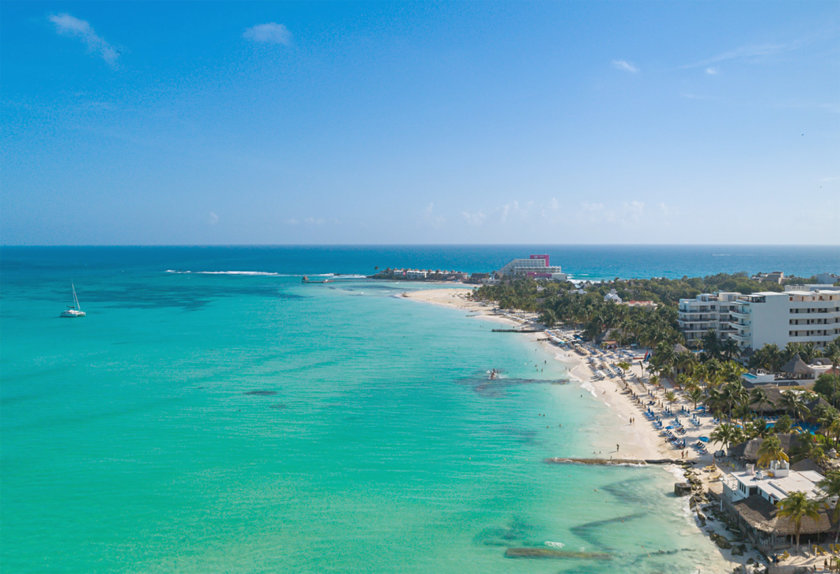
Mexico’s Caribbean coast embodies the postcard image that many travelers have in mind: white sand, calm seas, and translucent turquoise waters. From Cancún to Playa del Carmen, via Isla Mujeres, Holbox, or Cozumel, the setting is decidedly tropical and naturally invites you to slow down.
The beaches are generally easy to access, well equipped, and ideal for alternating between swimming, relaxing, and walking with your feet in the water.
The Mexican Caribbean is particularly suitable for swimming and snorkeling, thanks to its calm seas and excellent underwater visibility.
Sites such as Akumal, the reefs of Cozumel, and the shallow waters of Playa Norte on Isla Mujeres allow you to observe tropical fish and turtles in conditions that are accessible even to beginners.
While some beaches can be very crowded during the high season, especially around the major resorts, it is always possible to venture a little further afield to find quieter spots or to visit during the shoulder seasons.
This allows you to fully enjoy the beaches of the Mexican Caribbean in a more peaceful atmosphere, without sacrificing the beauty of the scenery.
1.2 The Pacific: wild beaches, waves, and nature
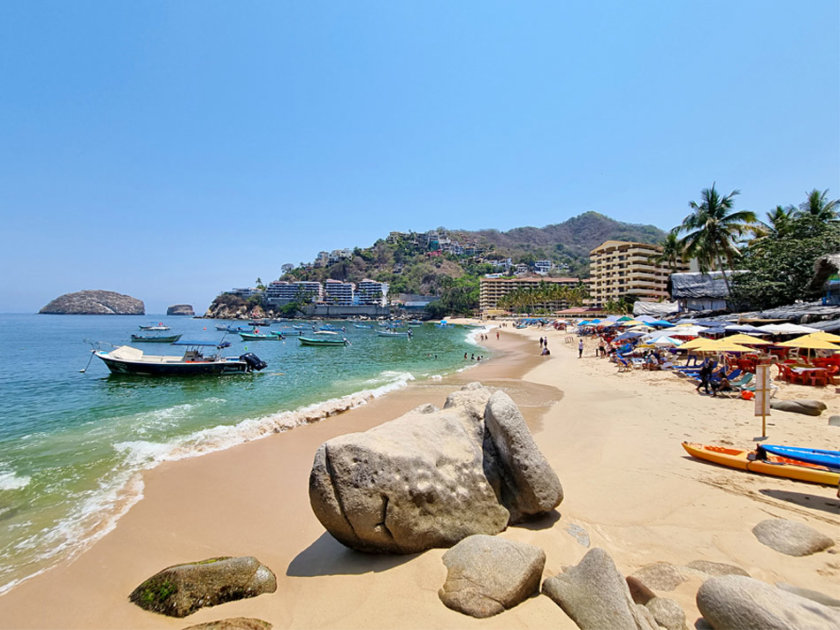
The Mexican Pacific offers a very different atmosphere from the Caribbean. Here, the landscapes are more rugged and spectacular, with long beaches of golden or volcanic sand, often bordered by unspoiled nature.
From Puerto Vallarta and the Riviera Nayarit to Sayulita, via Baja California and the coast of Oaxaca, the ocean sets the pace. Powerful waves, steep cliffs, isolated coves: the scenery changes, but the character remains the same.
It is a privileged location for surfing enthusiasts, particularly in Puerto Escondido, Sayulita, and San Pancho, but also for travelers seeking wide open spaces and a more direct relationship with the ocean.
Walking on almost deserted beaches, watching the sun disappear over the horizon, and discovering areas that are still relatively undeveloped are all part of the Pacific coast experience.
Swimming sometimes requires extra caution due to the swell and currents, a factor to bear in mind that also contributes to the wilder character of this coastline.
The Mexican Pacific also stands out for its unique marine experiences: whale watching in Baja California, snorkeling in the Sea of Cortez, or boat trips to hard-to-reach beaches.
Less developed than the Caribbean coast, this region appeals for its sense of freedom and authenticity. It is particularly appealing to travelers who like to stray from the beaten path and discover the Mexican coastline in its most natural form.
1.3 Climate and seasonality: the basics you need to know before choosing
The climate is a key factor to consider before choosing a beach in Mexico, as conditions vary significantly depending on the region and time of year.
On the Caribbean coast, the main factor to watch out for is the presence of sargassum, brown algae that can accumulate on certain beaches, mainly between May and October. Its appearance varies greatly depending on the year and the area, but it can affect the appearance of beaches and the quality of swimming.
On the Pacific coast, conditions are more influenced by swells and currents, which can be strong, especially between April and September. This dynamic has made the Pacific famous for surfing and water sports, but requires more vigilance when swimming, especially with children.
However, some protected beaches or those located in bays remain accessible all year round, provided you choose your location carefully.
In general, the dry season is the most comfortable time to enjoy the Caribbean beaches in Mexico, between December and April, while on the Mexican Pacific coast, it usually lasts from November to May.
Some regions, such as the coast of Oaxaca, remain pleasant almost all year round, making them an excellent option for traveling outside the peak tourist season.
2. The best beaches in the Mexican Caribbean
The Mexican Caribbean is a true paradise for those seeking turquoise seas, white sand, and a tropical atmosphere. Each beach has its own personality: some are perfect for relaxing, others for snorkeling or exploring historical sites.
2.1 Cancún and Riviera Maya
Located on the northeast coast of the Yucatán Peninsula, Cancún and the Riviera Maya offer white sand beaches bathed by turquoise waters. The name Cancún, which means “snake’s nest” in Mayan, recalls the region’s pre-Columbian history.
Among the most famous beaches are Playa Delfines and Playa Tortugas in Cancún, Playa Mamitas and Playa Fundadores in Playa del Carmen, and Playa Paraíso and Playa Ruinas in Tulum.
Between these magnificent beaches, the lively hotel zone, the ruins of Tulum, and Puerto Morelos, the region offers a wide variety of destinations for all types of travelers.
You can spend your days relaxing on paradise beaches, snorkeling in cenotes, or exploring Mayan ruins with the sea as a backdrop.
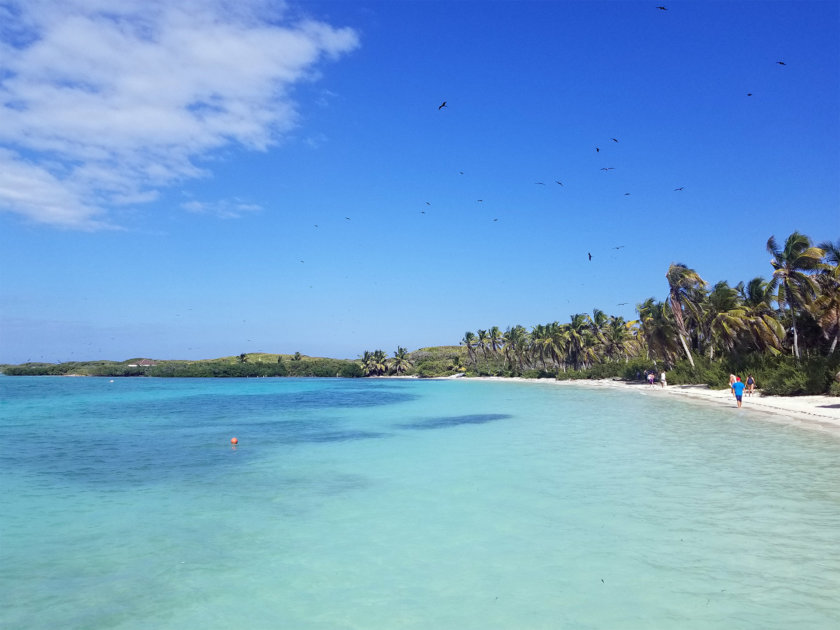
From Cancún, you can also discover Isla Contoy, a protected and completely wild paradise island, renowned for its pristine beaches and exceptional wildlife, often visited on a combined excursion with Isla Mujeres. I highly recommend this two-island adventure:
2.2 Isla Mujeres
Just 8 miles from Cancún, Isla Mujeres is a little gem where life follows the rhythm of the waves. Its name, “Island of Women,” pays homage to the Mayan female deities and the island’s sacred history.
Must-see attractions include Punta Sur, Garrafon Marine Park, and Playa Norte, where the clear water invites you to take a dip. It’s the perfect place to relax on quiet beaches, swim in shallow waters, and snorkel around coral reefs or at the underwater museum (MUSA).
It is entirely possible to visit the island for the day and stay in Cancun.
2.3 Cozumel
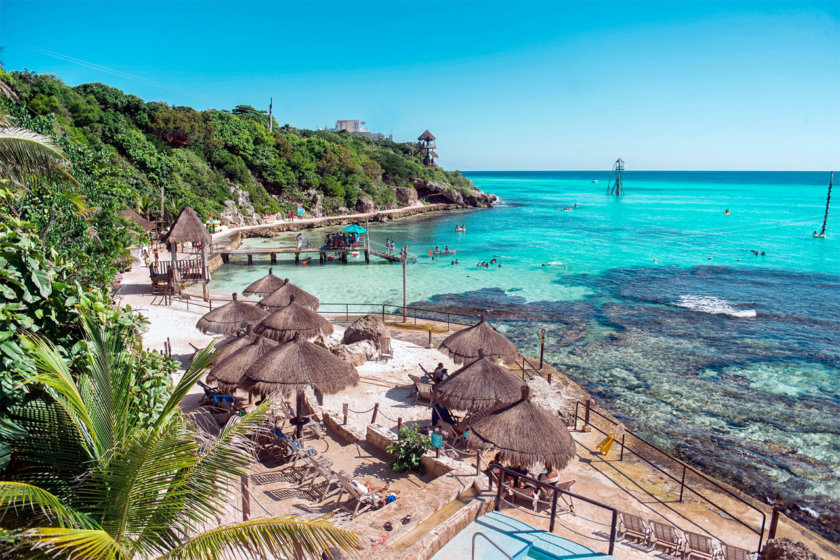
Cozumel, just across from Playa del Carmen, is known for its spectacular coral reefs, which make it a paradise for diving and snorkeling with iconic spots such as El Cielo, Parque Nacional Arrecifes de Cozumel, and Palancar Reef, where crystal clear water and spectacular coral reefs offer unforgettable underwater experiences.
The Cozumel National Reef Park, part of the Mesoamerican Barrier Reef, offers an incredible diversity of marine life, including turtles, 26 species of coral, and 300 species of fish, all in clear waters with excellent visibility.
Its name, “Cuzamil,” means “place of swallows” in Mayan, recalling its ancient roots.
If you decide to stop on this island, I recommend Chankanaab National Park, Punta Sur, and the Mayan Culture Museum. Between underwater exploration and pristine beaches, Cozumel offers the perfect blend of relaxation and adventure.
Here are several options for activities on the island of Cozumel:
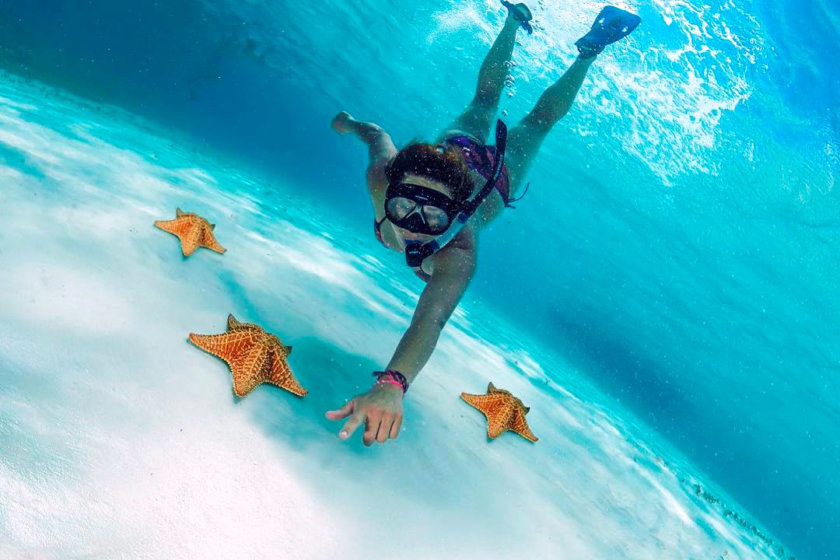
Option 1: Discover the best snorkeling spots in Cozumel, including El Cielo, known for its many starfish.
- You can book the snorkeling tour here, including lunch.
Option 2 (my favorite!): Take a jeep to visit the Punta Sur Reserve, with snorkeling, free time on the beach, lunch at a beach club, and tequila tasting. Book the Punta Sur trip here!
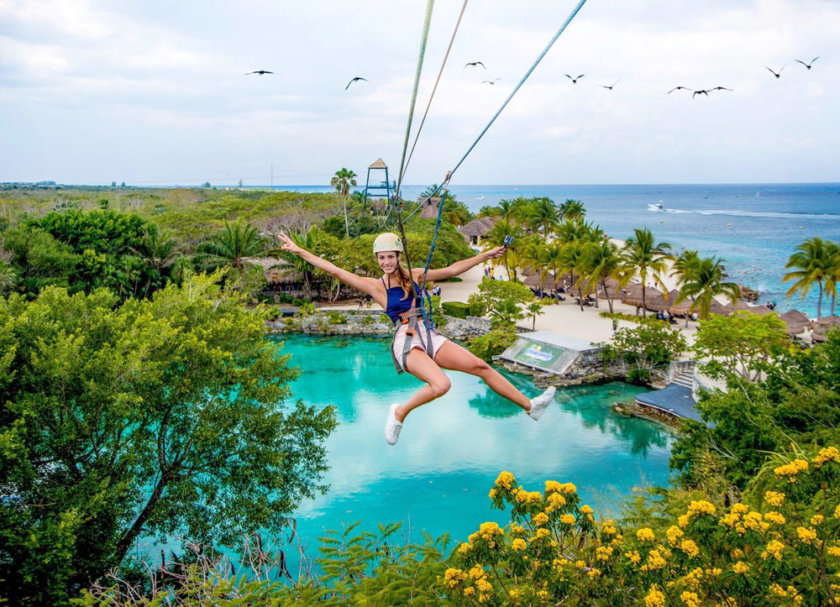
Option 3 (ideal for families): I recommend visiting Chankanaab Adventure Beach Park (get your tickets here!) or Playa Mia Grand Beach Park.
2.4 Holbox
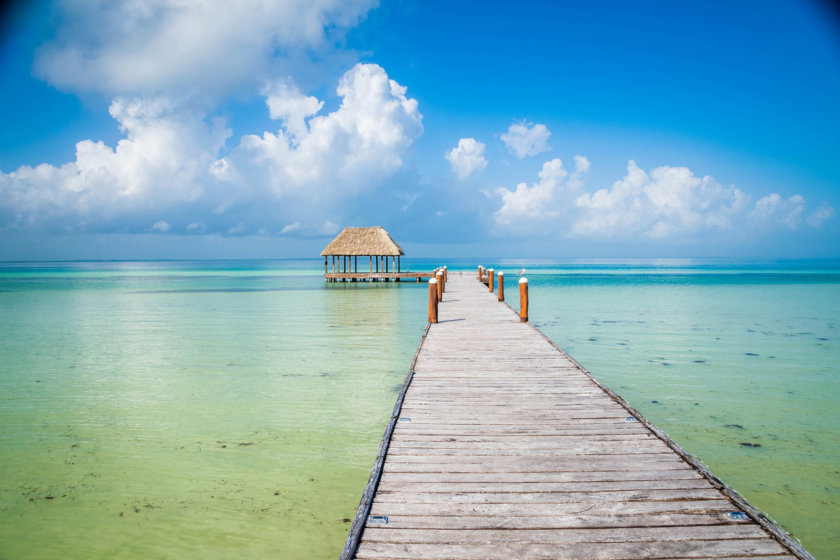
Holbox’s highlights include its wild beaches, lagoons, and local wildlife viewing, especially flamingos. Here, you can walk for hours along the water, swim in tranquil lagoons, or take a tour of the three islands and explore Cabo Catoche.
Nature lovers will enjoy kayaking in the mangroves and magical evenings where you can admire the bioluminescence that illuminates the water. Not to mention the breathtaking sunsets for which the island is famous, especially from Punta Coco for a unique experience.
The whale shark, the largest fish in the world, can be seen from June to September in the waters of Holbox, during supervised trips that allow you to swim alongside them in a responsible manner. You can book your whale shark tour in Holbox here:
3. The best beaches on the Mexican Pacific Coast
The beaches on the Mexican Pacific coast offer a more rugged and wild experience than those in the Caribbean, with spectacular scenery and powerful ocean waves. This coast is ideal for travelers seeking nature, surfing, and authenticity.
3.1 Puerto Vallarta and Banderas Bay
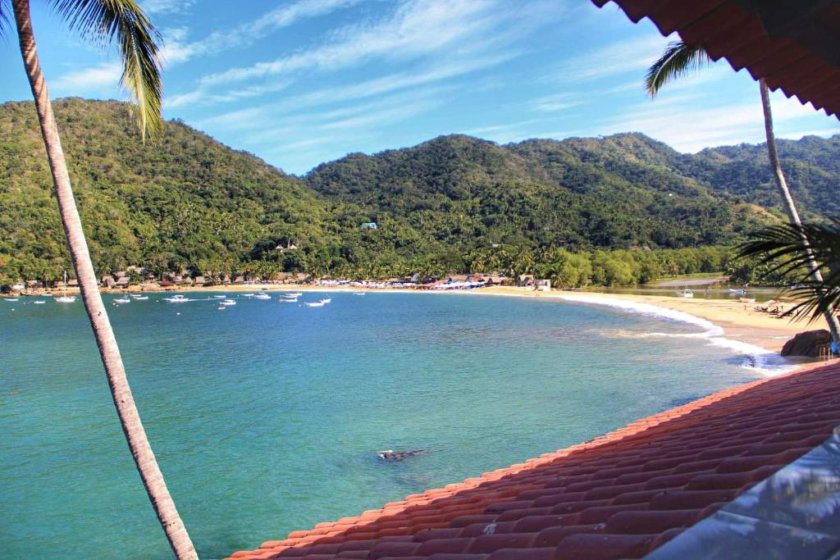
Puerto Vallarta is located in the heart of spectacular Banderas Bay, one of the largest bays in the world, bordered by jungle and the Sierra Madre mountains. A former fishing village turned seaside resort, the city retains a genuine Mexican charm, particularly along the Malecón and in its historic center.
Among the most famous beaches are the lively and central Playa Los Muertos, Playa Conchas Chinas with its rocks and natural coves, and the quieter Playa Gemelas, which is ideal for swimming.
By taking a boat trip, it is possible to reach Yelapa, Las Ánimas, or Quimixto, beaches that are only accessible by sea.
The region is also renowned for whale watching between December and March, snorkeling, and jungle hiking.
You can book your place on a whale watching excursion in Puerto Vallarta with a biologist guide here:
3.2 Sayulita and the Riviera Nayarit
North of Puerto Vallarta, the Riviera Nayarit stretches for miles along the Pacific coast, dotted with golden beaches and coastal villages.
Sayulita has become one of the most popular destinations thanks to its bohemian vibe and surfing culture.
Playa Sayulita is ideal for learning to surf, while neighboring beaches such as San Pancho, Lo de Marcos, and Punta de Mita offer a more relaxed atmosphere. Some coves and marine spots are perfect for snorkeling and boat trips.
People come here to surf, practice yoga, enjoy a relaxed atmosphere, and admire beautiful sunsets. The Riviera Nayarit makes it easy to alternate between lively beaches and more secluded spots.

3.3 Oaxaca and its Pacific coast
The Pacific coast of Oaxaca is one of the most natural and unspoiled in Mexico, having long remained off the beaten tourist track. Although access has become easier in recent years, the region has retained a strong local identity and a relaxed atmosphere.
Puerto Escondido is the most famous destination on the coast, particularly for surfing, with iconic beaches such as Zicatela, renowned for its powerful waves. More lively and developed than its neighbors, the city nevertheless remains rooted in a simple, ocean-oriented lifestyle.
A few miles away, places like Mazunte, Zipolite, San Agustinillo, and Puerto Angel offer a quieter atmosphere, with long, wild beaches lined with tropical vegetation. Zipolite is also known for its free spirit and alternative vibe.
The region is ideal for surfing, sea turtle watching, wellness retreats, and nature-focused getaways. It is the perfect destination to disconnect and discover the Pacific in its rawest form.
3.4 Baja California Sur
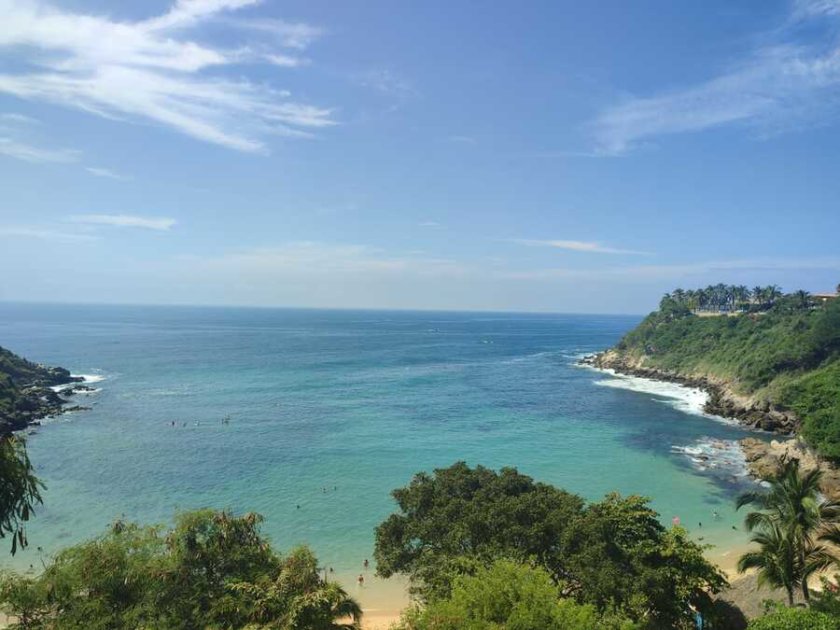
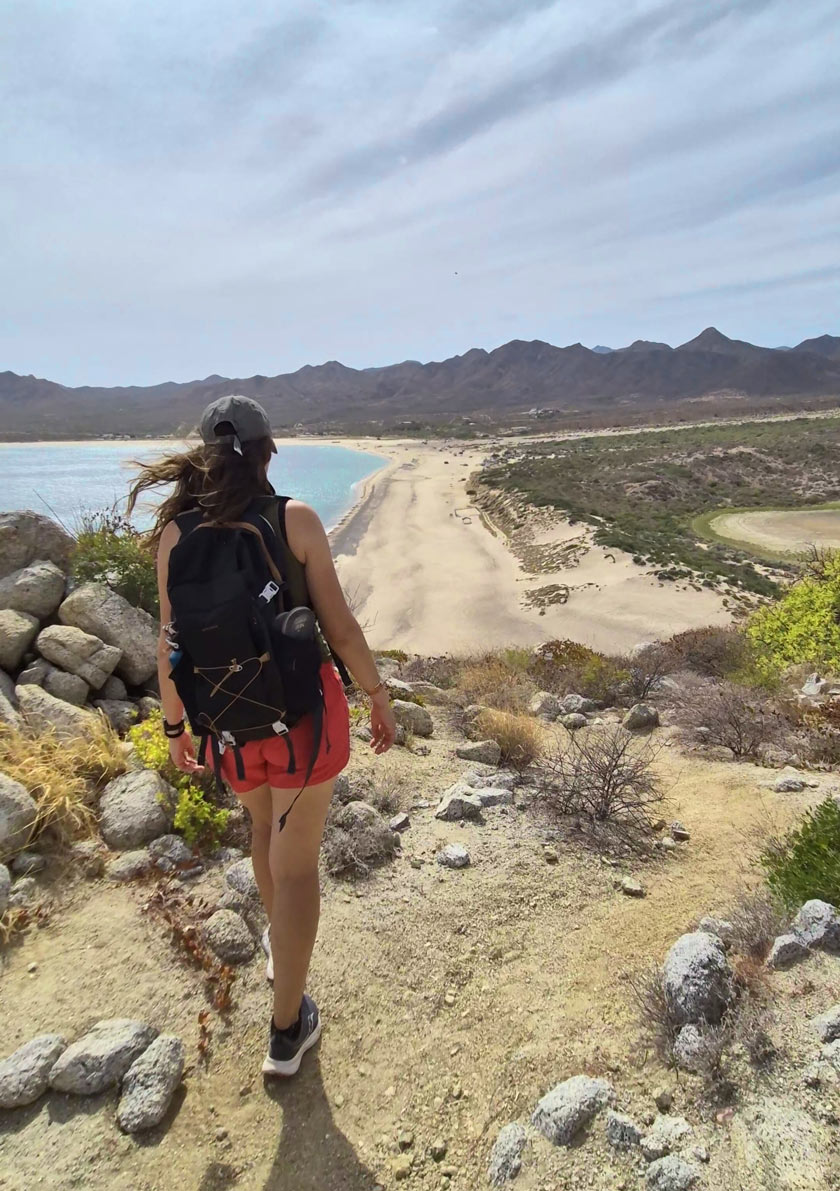
Baja California Sur offers spectacular landscapes where the desert meets the ocean, creating one of the most impressive settings in the country. This unique region offers a choice between the wild beaches of the Pacific and the calm waters of the Sea of Cortez.
Among the iconic beaches are Playa Balandra, El Coromuel, El Caimancito, El Tesoro, Pichilingue, Playa El Tecolote, Playa del Amor in Los Cabos, and the beaches of Todos Santos.
The Sea of Cortez is ideal for snorkeling, kayaking, and sea lion watching.
One of the must-do experiences around La Paz is a boat trip to Espíritu Santo Island.
It is mandatory to visit this island with a guide as a permit is required. Tours include a mask and snorkel (to observe sea lions and the seabed), as well as lunch on the white sand beach.
Book your trip to Isla Espiritu Santo here!
Mexico is one of the best countries in the world for whale watching, thanks to its two coastlines and rich ecosystems.
Every year, several species migrate to Mexican waters to reproduce and give birth.
The gray whale is the most iconic and can be seen mainly in Baja California Sur, particularly in the lagoons of Laguna San Ignacio, Bahía Magdalena, and Laguna Ojo de Liebre, between January and March. These locations offer exceptional conditions for respectful and supervised observation.
Humpback whales can be seen on the Pacific coast between December and March, particularly off Puerto Vallarta, in Banderas Bay, Los Cabos, and on the coast of Oaxaca. They are famous for their spectacular jumps and impressive songs.
Other species such as blue whales, fin whales, and orcas can also be seen occasionally, mainly in the Sea of Cortez. Sea trips are strictly regulated to ensure responsible and respectful observation of marine wildlife.
In Baja California Sur, it is possible to swim with whale sharks, which are not whales but the largest fish in the world, between October and April, on supervised tours that respect marine wildlife.
4. The best beaches in Mexico according to your preferences
4.1 Calm seas and turquoise waters
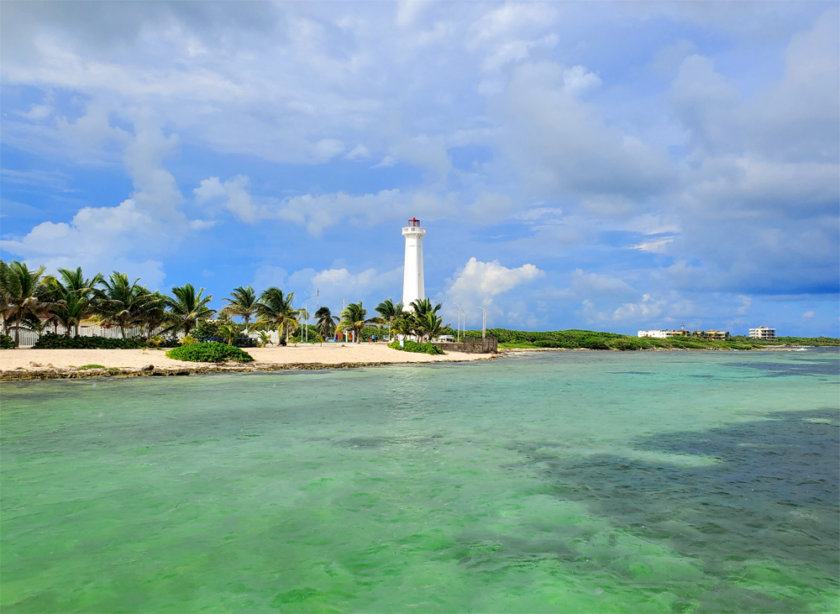
For calm seas and turquoise waters, the beaches of the Mexican Caribbean are ideal.
On Isla Mujeres, the famous Playa Norte beach attracts visitors with its shallow waters, perfect for swimming. It is one of the most beautiful beaches in Mexico. You can book your round-trip ferry tickets to Isla Mujeres here!
In Tulum, beaches such as Playa Paraíso, Playa Ruinas, and Playa Santa Fe offer spectacular scenery with white sand and Mayan ruins.
This village is also known as Tulum Beach Strip. In addition to these beaches, you’ll find trendy shops, charming cafes, restaurants, and beach clubs.
On Holbox Island, the shallow sea allows you to walk for a long time in the water in a peaceful atmosphere. Walk along Avenida Damero, along the beach, toward Punta Mosquito. Once there, stroll along the beautiful strip of sand, considered one of the most beautiful beaches in Mexico!
You can also discover other less touristy destinations on the Riviera Maya, such as Puerto Morelos, Punta Maroma, Xpu-ha, and Mahahual, south of Tulum.
4.2 Snorkeling and scuba diving
Mexico is a top destination for snorkeling and scuba diving.
In Cozumel, dive sites such as Palancar Reef, Colombia Reef, and Santa Rosa Wall are renowned for their coral reefs and turtles. For snorkeling, don’t miss El Cielo or the Underwater Museum (MUSA) in Isla Mujeres.
In the Riviera Maya, Akumal is one of the best places for snorkeling with sea turtles, accessible directly from the beach.
In Baja California Sur, the Sea of Cortez offers exceptional spots such as Cabo Pulmo and the area around La Paz, where you can swim with sea lions.
4.3 Surfing and powerful waves
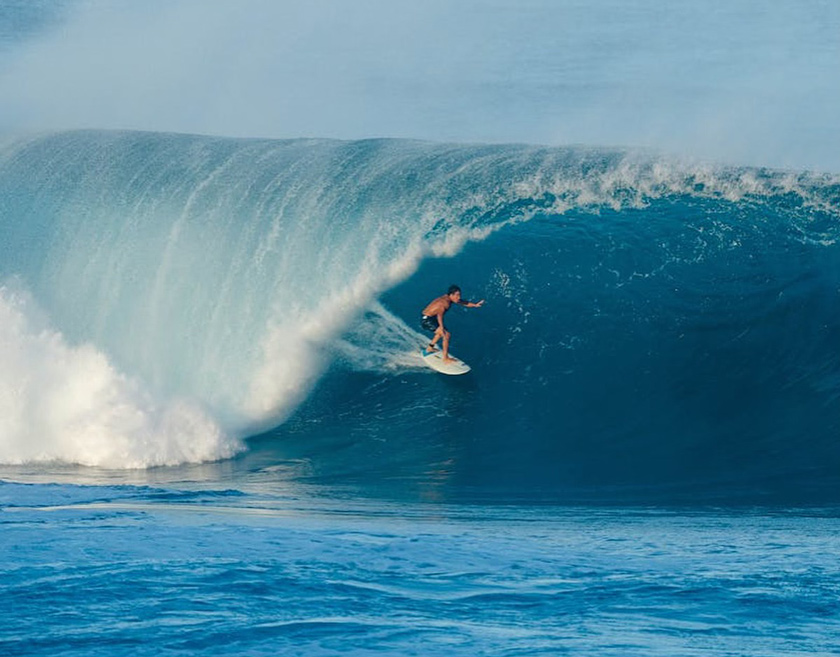
For surfing, the beaches of the Mexican Pacific are a must. Puerto Escondido and its legendary Playa Zicatela attract experienced surfers with their powerful waves.
For beginners, La Punta in Puerto Escondido, Sayulita, and San Pancho offer more accessible conditions. These beaches also have a relaxed atmosphere with numerous surf schools.
Between April and October, the swell is more consistent on the Pacific coast, offering waves that are suitable for both learning and progressing, in a friendly atmosphere by the ocean.
4.4 Kitesurfing and water sports
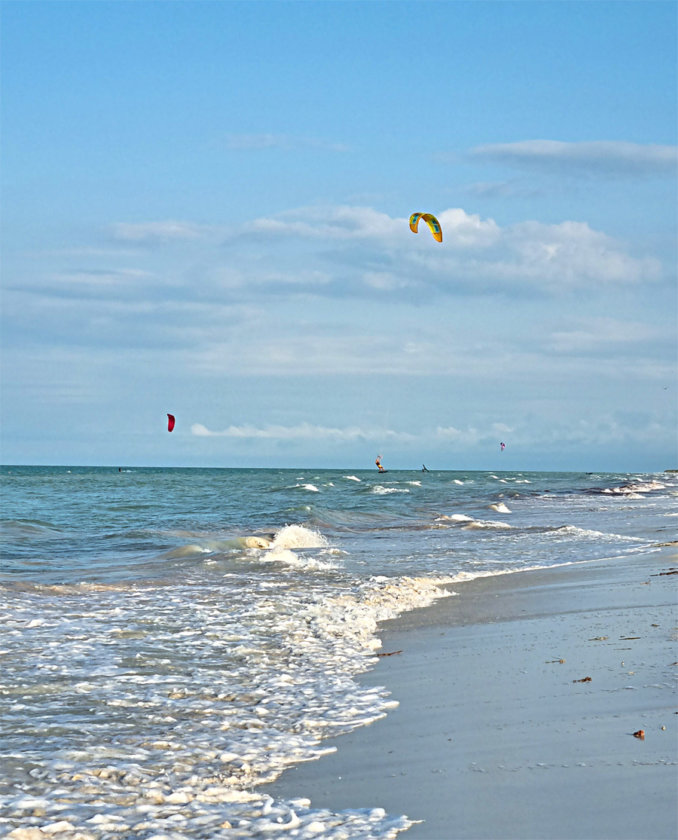
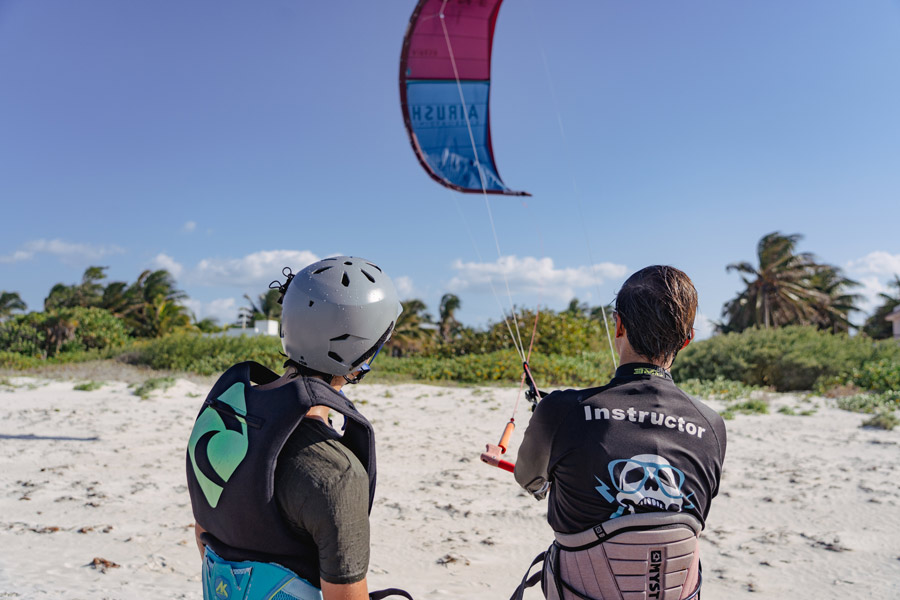
Kitesurfing is mainly practiced in windy, shallow areas. Holbox is one of the most famous spots thanks to its lagoons and steady wind.
Nearby, El Cuyo has become a benchmark for kitesurfing in Mexico, still untouched by mass tourism.
Other places such as Isla Blanca, near Cancún, are also suitable for kitesurfing.
4.5 Wild beaches and unspoiled nature
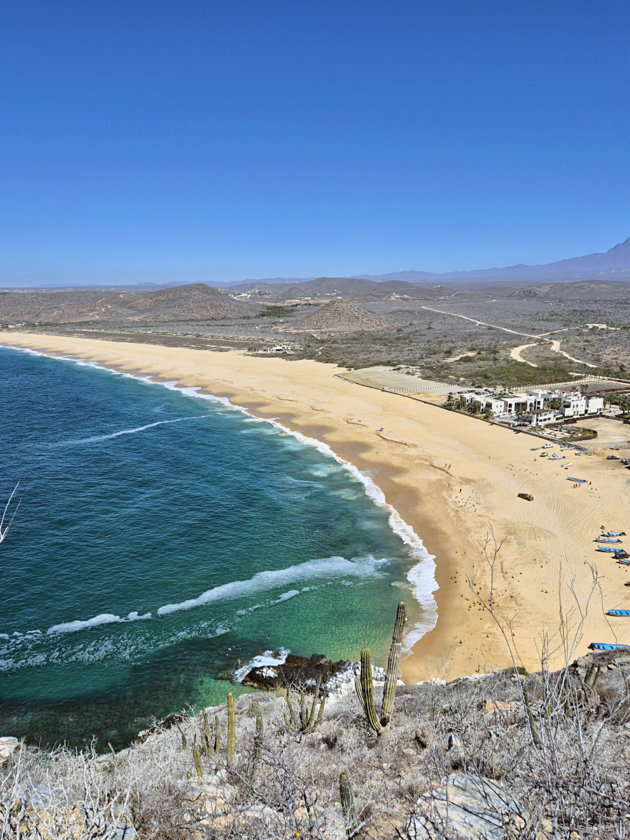
For wild beaches, far from the crowds, Mexico has plenty of unspoiled destinations. On the Pacific coast of Oaxaca, beaches such as Huatulco, Escobilla, and La Ventanilla are known for sea turtle watching.
In Baja California Sur, the beaches around Todos Santos and along the Pacific coast offer spectacular scenery that is still relatively uncrowded.
To fully enjoy the bohemian atmosphere of Todos Santos, I recommend spending at least one night there; this is an opportunity to hike to Punta Lobos and watch the sunset on the beach.
These places are particularly suited to travelers seeking nature, tranquility, and an authentic atmosphere, far from the more developed seaside resorts.
5. Which Mexican beach should you choose based on your profile?
5.1 You are traveling as a couple
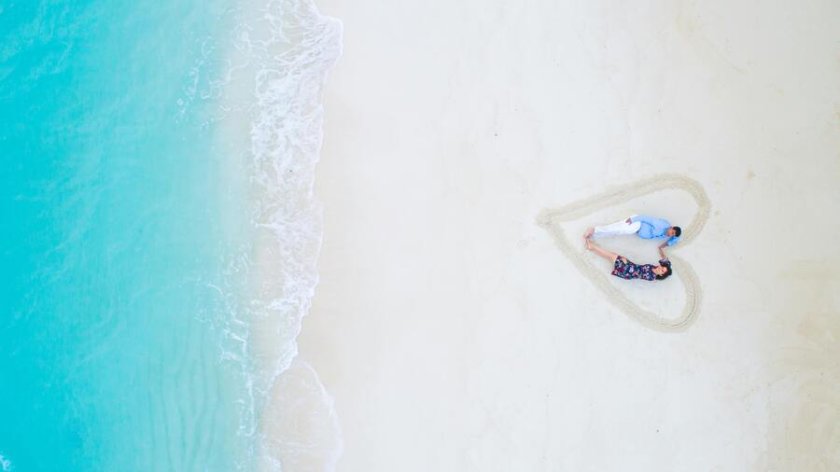
For a couple’s getaway, Mexico’s beaches offer stunning romantic settings with white sand, turquoise waters, and unspoiled nature. Tulum charms visitors with its iconic beaches such as Playa Paraíso, Playa Santa Fe, and Playa Ruinas, which are ideal for combining relaxation with a bohemian atmosphere.
Isla Mujeres, particularly around Playa Norte, is perfect for enjoying calm seas in a peaceful atmosphere. From Cancún, the Isla Contoy Tour offers a romantic setting, with its pristine beaches and completely wild atmosphere, ideal for a timeless day for two.
- Don’t miss My Detailed Experience on Isla Contoy, where I share all the highlights and tips for visiting the island!
5.2 Traveling with your family
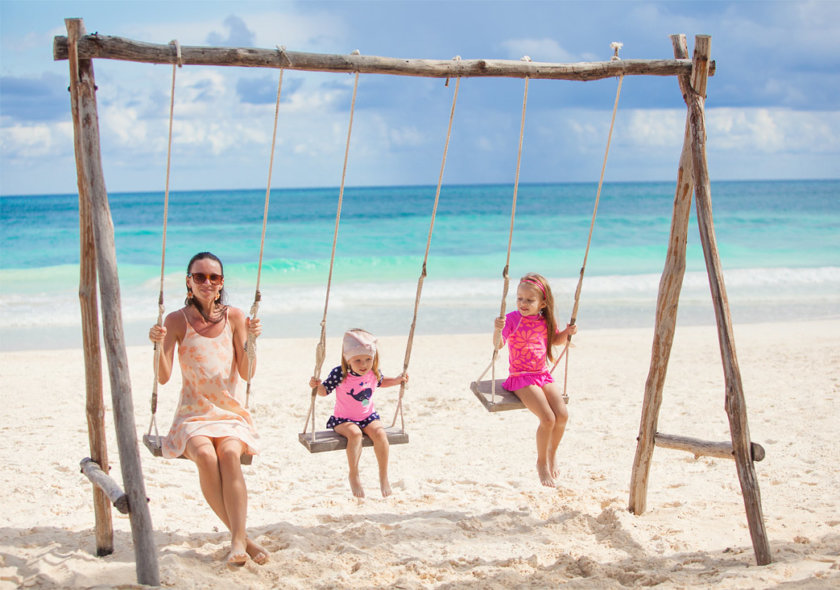
For a family trip, it’s best to choose beaches with calm seas that are easy to access and well equipped. The beaches of Cancún, Playa del Carmen, and the Riviera Maya perfectly meet these criteria thanks to their infrastructure and lifeguard services.
Isla Mujeres is also very suitable for children, with its shallow waters and short ferry crossings. These destinations allow you to discover the best beaches in Mexico in complete tranquility.
There are water parks with various activities and facilities, such as Garrafon Natural Reef Park, which offers safe snorkeling, zip lines, and areas suitable for younger children.
To complete the family experience, the region also offers several water parks and eco-parks by the sea, such as Xcaret and Xel-Há parks on the Riviera Maya, Ventura Park near Cancún, and Cozumel Water Park, which is particularly popular with children for its fun and safe activities.
In Cozumel, many hotels and beach clubs also offer play areas for children, with inflatable structures on the water, such as at Playa Mia Beach, and near Palancar Beach, Kuza Park offers another seaside water park option.
5.3 You are an adventure and nature lover
Travelers in search of adventure and nature will turn to wilder and less urbanized destinations. The Pacific coast of Oaxaca, with Mazunte, San Agustinillo, and Zipolite, offers total immersion in a preserved natural environment.
On the Caribbean coast, Cozumel is ideal for combining natural beaches and underwater exploration, with protected reefs and renowned diving spots such as Palancar, Colombia Reef, and Santa Rosa Wall.
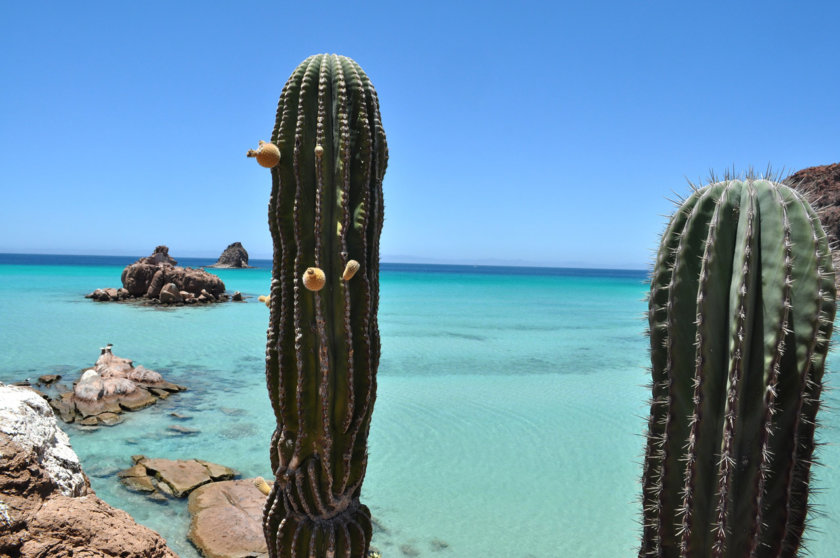
In Baja California Sur, the beaches around Todos Santos and the Sea of Cortez perfectly complement this type of trip focused on marine wildlife (you can even stop off at the cactus sanctuary on the way). In this region, you are surrounded by the sea, palm trees, and cacti—a dreamlike landscape.
5.4 You’re traveling for surfing and water sports
If your trip is focused on surfing or water sports, the beaches of the Mexican Pacific are a must. Puerto Escondido, with Playa Zicatela for experienced surfers and La Punta for beginners, is one of the most famous spots in the country.
For kitesurfing, Holbox and El Cuyo offer ideal conditions thanks to their shallow lagoons and steady winds. These destinations appeal to active travelers seeking thrills and freedom.
6. Best time to enjoy Mexico’s beaches
Mexico can be visited all year round, but not all periods are equally good for enjoying Mexico’s beaches to the full. Depending on the region, the type of beach you are looking for, and your activities, the choice of season can have a real impact on your experience.
In this section, I will help you understand the different seasons in Mexico so that you can choose the most suitable time for your trip and avoid any disappointments related to the climate or sea conditions.
6.1 Dry season: the ideal time for beaches
The dry season is generally considered the best time to discover Mexico’s most beautiful beaches. On the Caribbean coast, it mainly runs from December to April, with warm weather, often clear skies, and generally calm seas, ideal for swimming, snorkeling, and diving.
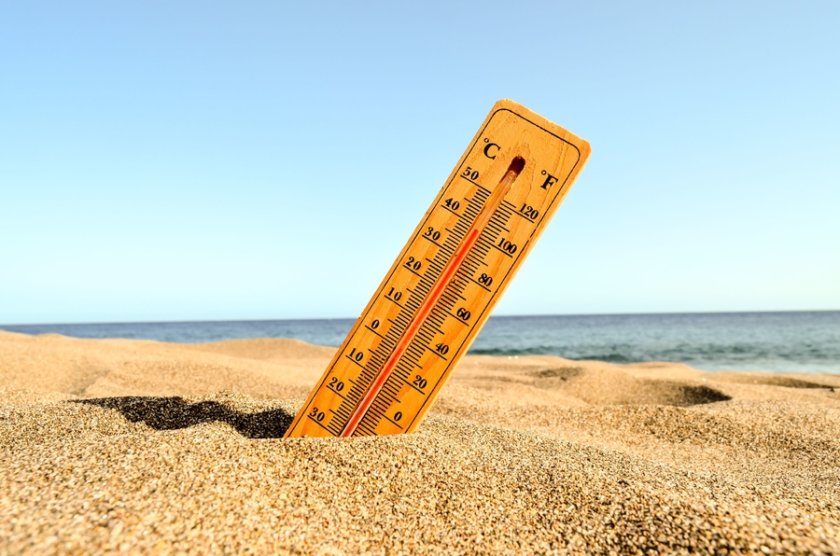
Temperatures range from 77 to 86°F, with moderate humidity, generally between 60 and 70%, which makes the heat more pleasant and bearable.
This period is particularly popular in destinations such as Cancún, Playa del Carmen, Tulum, Isla Mujeres, and Cozumel, where underwater visibility is excellent.
However, it is also the peak tourist season, with higher visitor numbers and higher prices, especially during school vacations and the end-of-year holidays.
On the Pacific coast, the dry season generally lasts from November to May. Conditions are very pleasant for enjoying the beaches, with milder temperatures and a drier climate, particularly in regions such as Riviera Nayarit, Puerto Vallarta, and Baja California Sur.
6.2 Rainy season: advantages and disadvantages
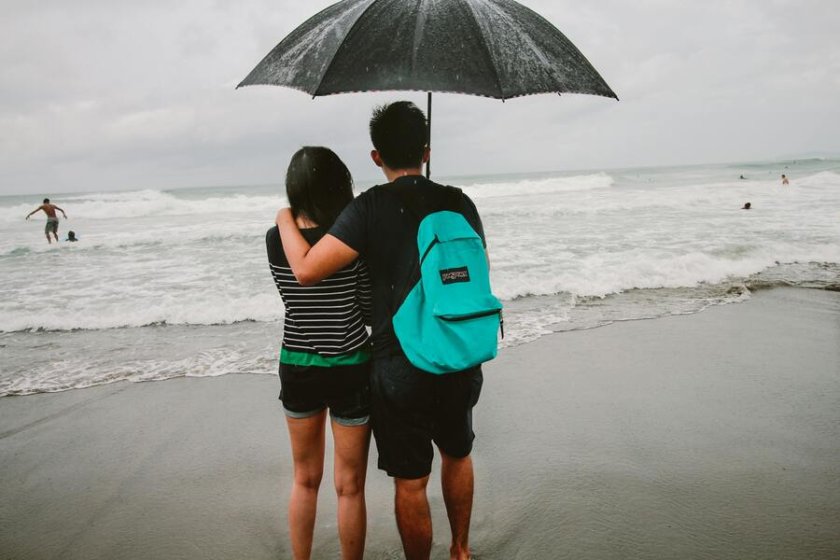
The rainy season, which can last from May to October, does not mean that it rains continuously. Rainfall is usually short but intense, mainly at the end of the day or at night.
However, this period does have certain advantages: more lush vegetation, greener landscapes, and often attractive prices for accommodation and activities.
On the Caribbean coast, this season is accompanied by higher temperatures, generally between 82 and 91°F, as well as high humidity, which can exceed 80%, especially between July and September.
This combination accentuates the feeling of heat and can make some days more challenging, especially for travelers who are sensitive to tropical climates.
It is also during this period that sargassum seaweed can appear on certain Caribbean beaches in Mexico, particularly along the Riviera Maya. Its presence varies depending on the year, currents, and beaches, with some areas being more exposed than others.
6.3 Sargassum, swells, and marine conditions to watch out for
Sargassum mainly affects Caribbean beaches, with varying intensity depending on the region and time of year. Destinations such as Cozumel and Isla Mujeres are less affected thanks to ocean currents, while certain beaches in Playa del Carmen and Tulum may experience larger accumulations at certain times of year.
On the Pacific coast, the main factor to watch out for is swell. The waves can be powerful, especially on open beaches, which is great for surfers but requires extra caution when swimming.
In the Oaxaca region, the period between April and September sees the biggest waves of the year, attracting surfers from all over the world to renowned spots such as Playa Zicatela, La Punta, and Playa Carrizalillo.
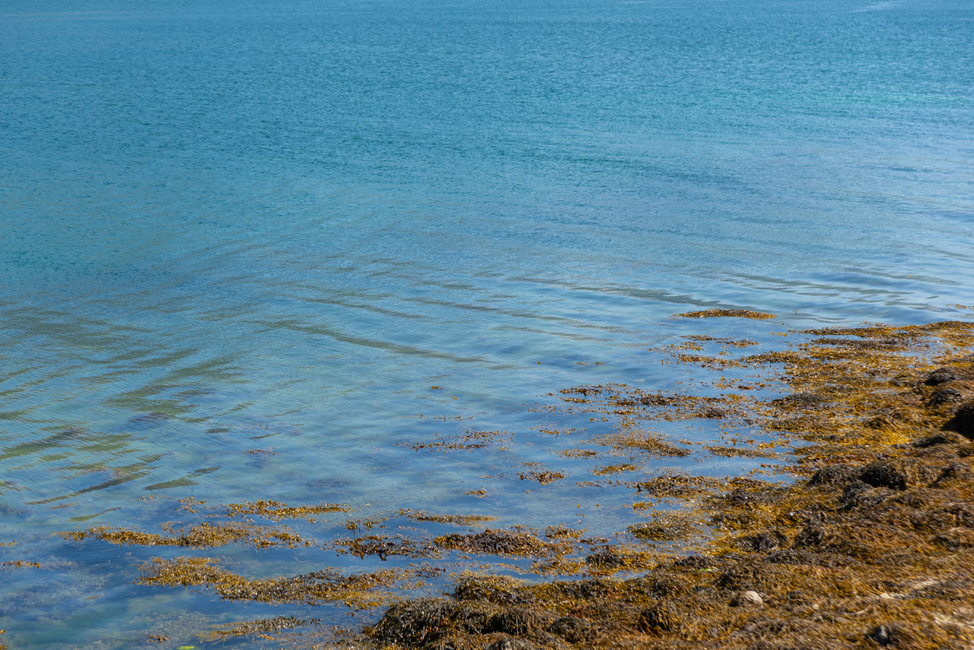
Sargassum is brown floating seaweed that washes up mainly on Mexican Caribbean beaches, especially between May and October.
Its presence depends heavily on ocean currents, wind, and weather conditions, which explains why a beach can be affected one day and completely clean the next.
The areas most affected are around Cancún, Playa del Carmen, and Tulum, while some destinations are generally less exposed, such as Isla Mujeres (Playa Norte), Cozumel, and Isla Contoy. The beaches of the Mexican Pacific and the Bacalar Lagoon are not affected by this phenomenon.
To limit the risks, I suggest traveling between November and March or following real-time information before choosing your destination.
6.4 When to go depending on your type of trip
For a vacation focused on swimming, relaxing, and snorkeling, the period from December to April remains the most favorable on the Caribbean beaches of Mexico.
Surfing and water sports enthusiasts will prefer the summer season on the Mexican Pacific, when the swell is more regular and powerful.
Finally, travelers interested in marine wildlife, particularly whale watching in Baja California Sur, should choose the period from December to March, bearing in mind that sea conditions can sometimes be cooler, windier, and rougher.
7. FAQ – Beaches in Mexico
Where are the most beautiful beaches in Mexico?
The most beautiful beaches in Mexico are mainly located in two large areas: the Caribbean coast and the Pacific coast.
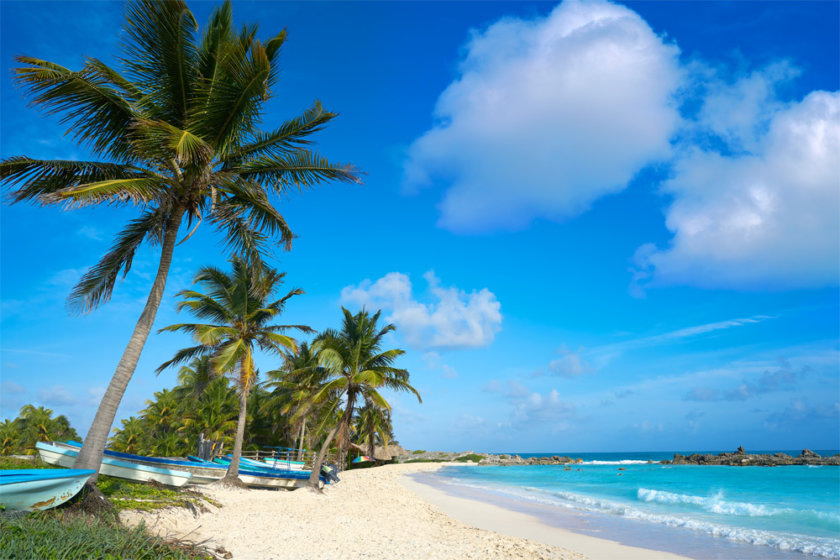
The beaches of the Mexican Caribbean, around Cancún, Tulum, Isla Mujeres, Cozumel, and Holbox, are renowned for their white sand and warm, turquoise waters.
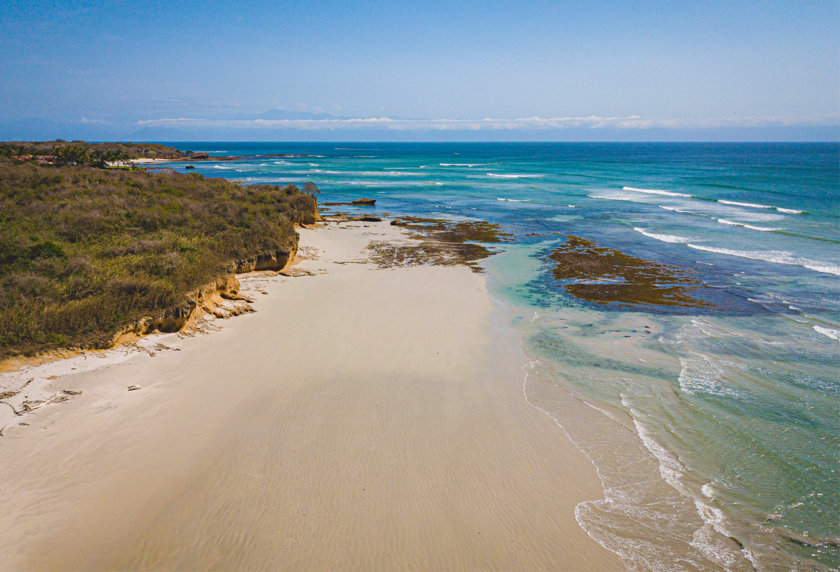
On the Mexican Pacific coast, regions such as the Riviera Nayarit, Oaxaca, and Baja California Sur offer wilder beaches and spectacular landscapes.
Which region has the most turquoise water in Mexico?
The most spectacular water colors can be found on Mexico’s Caribbean beaches.
Places like Playa Norte in Isla Mujeres, Akumal, Tulum, Cozumel, and some beaches in Holbox offer intense turquoise blue water, especially during the dry season between December and April.
Which beaches should be avoided depending on the season?
Between May and October, some beaches on the Riviera Maya can be affected by sargassum, particularly around Playa del Carmen and Tulum, although the situation varies depending on the beach and the year.
On the Pacific coast, it is advisable to be more cautious on open beaches during periods of high swells, particularly on the coast of Oaxaca between April and September.
In winter, on the beaches of Baja California, temperatures can be cooler and the wind stronger, making some sea trips cooler and sometimes more turbulent.
Pacific or Caribbean: which to choose?
The choice between the Pacific and the Caribbean depends above all on your travel style.
The Mexican Caribbean is ideal for swimming, snorkeling, diving, and easily accessible beaches, with warm, calm waters.
The Mexican Pacific will appeal more to travelers looking for nature, surfing, wild beaches, and more rugged landscapes.
8. The most beautiful beaches in Mexico: conclusion
Mexico offers an exceptional diversity of coastal landscapes, making it one of the most complete beach destinations in the world.
Between the Caribbean beaches of Mexico, renowned for their white sand and turquoise waters, and the wilder and more spectacular beaches of the Mexican Pacific, everyone can find the destination that suits their travel style.
Whether you dream of relaxing on the beaches of Tulum or Isla Mujeres, diving in Cozumel, enjoying the unspoiled beaches of Holbox, surfing in Puerto Escondido, or observing marine wildlife in Baja California Sur, Mexico’s best beaches have something for everyone.
By taking into account the season, sea conditions, and your traveler profile, you can choose the most beautiful beaches in Mexico at the right time and avoid any major disappointments. With the right preparation, a beach vacation in Mexico promises unforgettable landscapes, unique marine experiences, and timeless moments by the ocean.
The choice may seem difficult, as Mexico offers such a variety of beach experiences, but three major areas are definitely worth a visit.
- Baja California stands out for its spectacular landscapes and whale watching, a unique experience in the world.
- The Pacific coast of Oaxaca, combined with a visit to Mexico City, charms visitors with its authenticity, wild beaches, and vibrant culture.
- The Yucatán Peninsula and the Mexican Caribbean remain must-see destinations for their turquoise beaches, paradise islands, and wealth of natural and cultural sites.
These regions could easily be the subject of three different trips, each with its own atmosphere and pace. However, if you have at least two weeks, it is entirely possible to combine a week in Baja California with a trip to Oaxaca or the Caribbean. This combination allows you to discover two very contrasting sides of the country and greatly enriches the travel experience.
Renting a car in Mexico
Many travelers choose to rent a car in Mexico, and it’s often the best way to explore the country. It allows you to travel at your own pace, discover less touristy places, and enjoy complete freedom with your schedule and itinerary.
However, finding a reliable car rental company in Mexico can sometimes be tricky. Between hidden fees and frequent scams, it’s important to choose a trustworthy platform.
When I rent a car in Mexico, I personally use Booking.com Cars for several reasons:
- Easy price comparison: you can quickly compare offers from many rental agencies and find the best deal.
- Free cancellation in most cases: ideal if your travel plans change.
- Full insurance at competitive prices: coverage is often cheaper than what rental companies offer at the counter.
Click on the green button below to compare rental cars in Mexico and find the best price:
Find the best deals on flights to Mexico
To find the best price for your flight to Mexico, use our flight comparison tool powered by Skyscanner. It’s one of the easiest ways to compare airlines and quickly find cheap flights to Mexico or domestic flights within the country.
🚗 Rent a car
🗽 Book entrance tickets and guided visits
🏄 Book your sports activities
🌍 Take a travel insurance
🙎 Book a tour
✈️ Book your flight
You’re traveling in Mexico? These articles will help you!
Discover all my articles about Mexico: All my articles to help you plan your trip to Mexico are listed there.
- Yucatan Peninsula: Top 20 things to Do and See
- Riviera Maya: The 35 Epic Things to Do!
- Cancun: the 35 Best Things to Discover
- Playa del Carmen: Top 30 Things To Do and Must-See Attractions
- Tulum: 21 Best Things to Do + All My Best Tips!
- Mazatlan: The Best 31 Things to Do and Must-See Attractions!
- Isla Mujeres: 21 Best Things to Do!
- Cozumel: Top 15 Things To Do and Must-See Attractions
- Puerto Vallarta: Top 35 Things To Do and Must-See Attractions
- Itinerary: 10 days in Mexico – Mexico City, Chiapas and Yucatan
- Itinerary: 2 weeks in Mexico – Best itinerary to discover the Yucatan Peninsula and Chiapas!
- Itinerary: 3 weeks in Mexico – Mexico City, Puebla, Oaxaca, Chiapas, Campeche, Yucatán and Riviera Maya
- Itinerary: 1 month in Mexico – My Epic 30-31 Days Itinerary from Mexico City to Cancun
- Road trip in Mexico: The best itineraries for 10, 15, 21 days and a month
- Itinerary: 1 week in Yucatan – The Ultimate 6, 7 or 8 days Itinerary
- Itinerary: 10 days in Yucatan – Best Itinerary for 9, 10 or 11 Days in Yucatan
- Itinerary: 2 weeks in Yucatan – Epic Itinerary + All my Best Tips!
- Itinerary: 3 weeks in Yucatan – Best things to do in 20-21 days
- Itinerary: 1 month in Yucatan – Yucatan Peninsula in 29, 30 or 31 days from Cancun
- Road trip in Yucatan: The best itineraries for 7, 10, 15, 21 days and 1 month
You’re using Pinterest? Here is the picture to pin!