
Driving in Mexico in 2026: Car Rental, Insurance, Safety, and Practical Tips
Are you thinking about renting a car in Mexico, but still have some doubts?
Great idea!
It’s true that you hear all sorts of things about driving in Mexico, but the reality is much simpler: for many trips, it is one of the best ways to explore the country freely and reach places that are difficult to visit otherwise.
Every year, thousands of travelers rent a car in Mexico to explore regions such as the Yucatán Peninsula, Oaxaca, Baja California Sur, or the area around Mexico City without any problems.
Having a car allows you to leave early, avoid the crowds, stop in small villages, discover hidden cenotes, or reach beaches and natural sites at your own pace.
Of course, there are a few essential things to know before getting behind the wheel: how insurance works, which roads to choose, how tolls are paid, and what to do during a police check.
In this guide, I explain everything you need to know about renting a car in Mexico: safety, insurance, required documents, toll roads, gas stations, driving rules, police checks, and practical tips to travel with confidence.
So, is renting a car in Mexico a good idea? Let’s take a look.
Sommaire
- Driving in Mexico in 2026: Car Rental, Insurance, Safety, and Practical Tips
- 1. Is it safe to drive in Mexico?
- 2. Renting a car in Mexico: what you absolutely need to know
- 3. Traffic rules and driving in Mexico
- 4. Tolls and gas stations in Mexico
- 5. Police and road checks in Mexico
- 6. Practical advice for driving in Mexico
- 7. Driving in the main regions of Mexico
- 8. Alternatives to driving for easy travel in Mexico
- Driving in Mexico: frequently asked questions
- Driving in Mexico: is it a good idea?
- Renting a car in Mexico
- How to find the best price for your flight ticket
- You’re traveling in Mexico? These articles will help you!
1. Is it safe to drive in Mexico?
This is undoubtedly the first question travelers ask before renting a car, and the answer is simple: yes, driving in Mexico is generally safe, as long as you follow a few basic rules of caution and common sense.
In Mexico’s most popular tourist destinations—such as the Yucatán Peninsula (Yucatán, Campeche, Quintana Roo, Riviera Maya), Mexico City, Oaxaca, and Baja California Sur—driving is usually straightforward as long as you stay attentive and follow basic safety advice.
Some states, such as Chiapas, Michoacán, or Veracruz, may require a little more caution and planning depending on the routes you choose.
On the other hand, certain regions in northern Mexico, including Colima, Sinaloa, and Tamaulipas, can be more complex for travelers and are generally best avoided unless you are very familiar with the area.
1.1 Modern roads in tourist areas
The most visited regions—such as Yucatán, the Riviera Maya, Baja California Sur, and the area around Mexico City—are particularly well suited for foreign drivers.
On major routes such as Cancún–Tulum, Mérida–Campeche, or Mexico City–Puebla, road conditions are generally comparable to those found in Europe or Canada.
Toll highways, known as autopistas, are fast, well maintained, and regularly monitored. For long journeys between major cities, they are usually the safest and most comfortable option.
1.2 Avoid driving at night
It is generally not recommended to drive at night in Mexico. Visibility can be limited, and it is not uncommon to encounter poorly marked speed bumps (topes), animals crossing the road, or vehicles with inadequate lighting.
In the states of Yucatán and Quintana Roo, nighttime driving on major roads is usually manageable, but it is still best to stay on the main highways and remain cautious. The risk of animals or unexpected topes remains present.
Another factor to consider is that some gas stations close early, which can make refueling more difficult at night. In winter, the sun sets around 6 p.m. in the Yucatán Peninsula, compared with about 7:30 p.m. in summer, so it is wise to plan your routes to arrive before dark.
1.3 Safe and enjoyable trips with a little planning
Most problems reported by travelers are related to poor planning or careless driving. By staying on major roads, respecting speed limits, and driving during daylight hours, the risks are generally very low.
Planning your distances and travel times in advance makes driving much easier and allows you to enjoy the scenery along the way—which is often spectacular, especially at sunset.
If you want to plan your Mexico itinerary, here are several suggestions depending on the length of your trip:
- Itinerary: 8-10 days in Mexico – from Mexico City to Oaxaca
- Itinerary: 10 days in Mexico – Mexico City, Chiapas, and Yucatan
- Itinerary: 2 weeks in Mexico– Detailed itinerary in Yucatan and Chiapas
- Itinerary: 3 weeks in Mexico – The best of Mexico in 20, 21, or 22 days
- Itinerary: 1 month in Mexico – Recommended itinerary from Mexico City to Cancun
- Road trip in Mexico: the best itineraries to plan your trip!
- Itinerary: 1 week in Yucatan – to plan a short stay
- Itinerary: 10 days in Yucatan – see as much as possible in little time!
- Itinerary: 2 weeks in Yucatan – to see the best sites on the Yucatan Peninsula
- Itinerary: 3 weeks in Yucatan – the best itinerary!
- Itinerary: 1 month in Yucatan – The perfect itinerary for around 30 days
- Road Trip in Yucatan: The best itineraries for 7, 10, 15, 21, and 30 days
- Itinerary: 7-8-9 days in Baja California Sur – From La Paz, Loreto, Rancho Sol de Mayo, San José del Cabo, Todos Santos
1.4 Police and safety
Contrary to popular belief, the Mexican police is not a threat to tourists. Checks are rare, and when they do occur, it is enough to remain calm and courteous.
Officers are often helpful, and in tourist areas, they are used to assisting travelers in difficulty. You will sometimes see armed patrols or pickup trucks with police officers in full gear: these units are primarily there to ensure the safety of visitors, not to intimidate them.
2. Renting a car in Mexico: what you absolutely need to know
Before hitting the road, it is essential to understand how car rental works in Mexico, as the system differs slightly from that in Europe or Canada. By being well prepared, you can avoid most unpleasant surprises and enjoy peace of mind from the moment you arrive at the rental agency counter.
2.1 Required documents
To rent a car in Mexico, you must present three essential items:
1️⃣ A valid driver’s license from your country of origin. If you are from France, Belgium, Switzerland, or French-speaking Canada, a national license is sufficient—no international license is required for a tourist stay.
2️⃣ A passport (or ID card, depending on the agreement) to verify your identity and the duration of your tourist visa.
3️⃣ A credit card in the name of the primary driver. This point is crucial: in Mexico, the card used as a guarantee must be in the name of the person who will be driving. If you book with a friend’s, spouse’s, or parent’s card, the agency may refuse to give you the vehicle, even if the rental was paid for online.
Some rental agencies accept debit cards, but be aware that this often comes with much higher deposits or additional mandatory insurance.
It is therefore always best to have a real credit card (Visa, Mastercard, American Express) with a sufficient limit for the deposit. Don’t hesitate to ask your bank if you have any doubts about this.
2.2 Car insurance
One of the things that often confuses travelers is the car insurance system in Mexico.
The basic insurance shown on comparison sites or rental sites does not always include compulsory civil liability (PLI or SLI), which is required by Mexican law.
If it is not included, the agency will charge you for it on site, which can sometimes double the initial price.
To avoid this, it is best to book a package with comprehensive insurance from the outset, including:
- civil liability (damage to third parties),
- theft coverage,
- collision damage waiver (CDW),
- and property damage protection.
Many platforms now specify the insurance included, which makes it easy to compare. If in doubt, contact the agency before departure to confirm coverage. They often have quick contact options via WhatsApp to answer your questions.
2.3 Security deposit and vehicle inspection
All agencies block a deposit on your credit card (in high season, this is often between $800 and $2,000, depending on the type of car and insurance). This amount is frozen for the duration of the rental and then released after the car is returned if everything is in order.
It is important to have this amount available to avoid problems on site when the deposit is taken. To avoid any disputes, take the time to photograph the car from all angles before leaving: bodywork, tires, headlights, interior, windshield, dashboard, gas tank. This simple habit will protect you in case of a disagreement upon your return.
Reputable rental agencies in Mexico offer recent, clean, and well-maintained vehicles. If something seems unusual (worn tires, warning light on, cracked mirror), report it immediately before signing the contract.
Most major brands such as Hertz, Europcar, Alamo, National, Avis, and Mex Rent a Car have international standards and offer English-speaking customer service.
2.4 Booking online: a real advantage
Contrary to what you might think, booking online in advance is often the best option. You’ll benefit from more attractive rates, a wide choice of vehicles (from economical compact cars to SUVs ideal for the roads of Yucatán), and above all, clear visibility on conditions and insurance.
During the high season—particularly between December and April—inventory can quickly run low, especially in tourist areas such as Cancún, Tulum, and Los Cabos.
Booking early also ensures that you avoid improvised agencies on site, which are sometimes less transparent about additional fees. In fact, on-site rates are often higher because they require more last-minute logistics.
To avoid too much stress, take the time to compare two or three different agencies online before making your reservation, and be sure to read the fine print.
2.5 Hidden fees, gas, and return policy
Before signing, read the contract carefully to identify any additional fees: additional driver, GPS, child seat, or return to another city. These extras are normal but must be clearly indicated.
Also check the fuel policy: the most common is full-full (you return the car with a full tank of gas), which is the fairest.
Finally, be aware that agencies are strict about delays: exceeding the return time by one or two hours can be charged as a full day. So allow for a margin if your flight is late or if you have to drive through a large city.
My advice for booking a rental car and ensuring you have a great stay:
For your car rental in Yucatán, I highly recommend Booking.com Cars. In my opinion, it’s the best option for renting a car in Mexico, and here’s why:
- You can easily compare the rental cars prices between all the agencies: for sure the easiest way to find the best rate!
- Cancellation is often offered free of charge: no need to worry if you change your mind
- Booking Cars offers full insurance coverage at a lower price than the rental companies, so it’s an instant saving with no effort
Simply click on the green button to find your rental car at the best price:

3. Traffic rules and driving in Mexico
Driving in Mexico is not particularly difficult, as long as you are aware of a few differences compared to Europe or North America. Traffic rules are generally similar to international standards, but some local habits and small particularities are worth knowing before getting on the road.
3.1 Speed limits and road signs
Speed limits vary depending on the type of road.
In general, the limit is around 40 km/h (25 mph) in towns, 80 km/h (50 mph) on secondary roads, and 100 to 110 km/h (60–68 mph) on toll highways (autopistas).
Speed limit signs display the word “MÁXIMA” (maximum speed). Although many local drivers may exceed these limits, travelers should always follow the official speed restrictions.
Mobile speed cameras are installed on several major roads. In some cities, fines are issued electronically and sent directly to the rental company. When you return the vehicle, the agency may inform you of any pending fines that must be paid.
Road signs are generally clear and easy to understand, even though they are in Spanish.
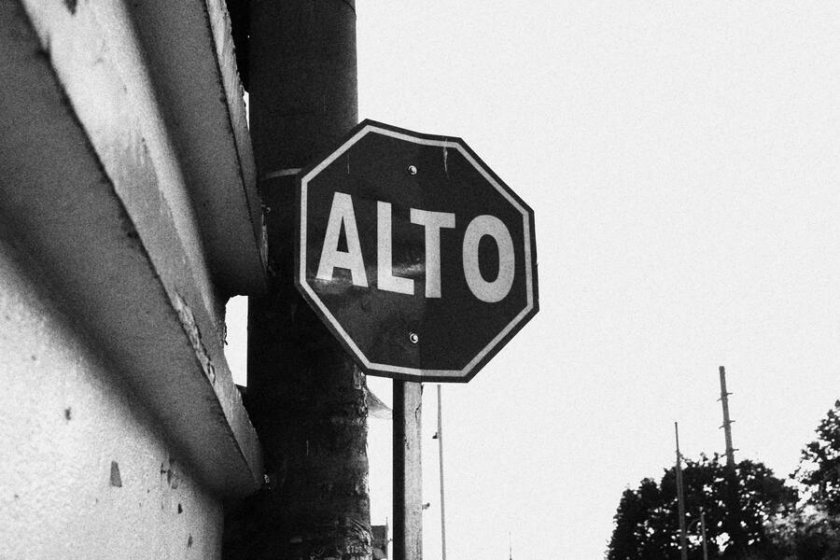
“ALTO” means stop, “CEDA EL PASO” means give way, and “DESVÍO” indicates a detour.
On highways, road markings are usually well maintained. However, in some cities or rural areas, they may be faded, especially after the rainy season.
Always drive carefully, particularly at night or during heavy rain, when visibility can be reduced.
3.2 The famous “topes”
Mexico is the land of topes, speed bumps that are often abrupt, sometimes unmarked, and placed at the entrance or exit of villages. Some are painted yellow, others have long since faded… As a result, it is not uncommon to encounter one at the last second.
The reflex to adopt: slow down when approaching populated areas, as a hidden speed bump can easily cause a collision or even damage a tire. Speed bumps are the leading cause of scratches and flat tires on rental cars, well ahead of accidents.
3.3 Alcohol, phones, and seat belts
Mexican law is very strict on driving under the influence of it. The legal alcohol limit is low (0.04%), which amounts to zero tolerance for travelers: the safest option is not to drink at all before driving. Breathalyzer tests are carried out in tourist areas and in the evenings, especially on weekends.
Using a phone while driving is prohibited without a hands-free kit, and seat belts are mandatory for all passengers, both in the front and rear.
Children under 12 must sit in the back, and baby seats are required for younger children. Ask your agency to reserve one for you in advance.
3.4 Traffic lights, overtaking, and local behavior
Mexicans generally drive in a relaxed manner, but right-of-way rules are not always respected, especially in small towns. It is not uncommon for a driver to turn without signaling or to stop suddenly to let a pedestrian cross.
Therefore, keep a generous safety distance and always anticipate the reactions of others.
A yellow light is often interpreted as an invitation to proceed, and horns are used more to signal one’s presence than to express impatience.
In rural areas, it is also common for trucks or buses to indicate with a quick flash of their left turn signal that they are allowing you to pass—but be careful, this does not always mean that the road is clear.
3.5 Daytime running lights and nighttime driving
It is not mandatory to turn on your headlights during the day, although you should adjust them according to the brightness, especially on secondary or mountain roads.
Driving at night is strongly discouraged in most of Mexico, as it can be risky due to the lack of lighting, animals on the road, and especially the numerous “topes” (speed bumps) that are often poorly marked.
In the Yucatán Peninsula, some sections of major roads can be traveled at night, but it is still best to avoid driving after dark in all cases.
If you absolutely must drive after dark, choose the better-maintained major toll roads.
3.6 Parking and fines (beware of “arañas”)
Parking in tourist towns
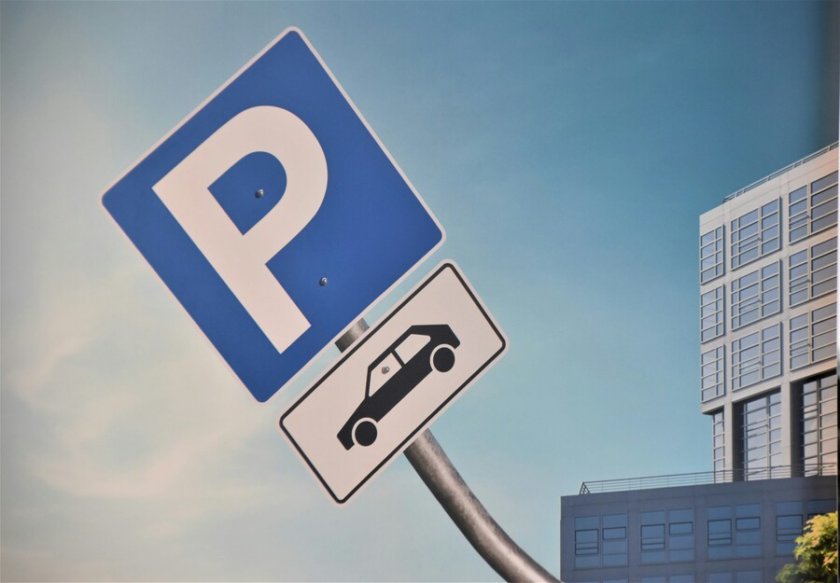
In most tourist destinations, parking is well signposted and color-coded: white or blue lines for authorized areas, red or yellow lines for formal prohibitions.
If you park in an unauthorized area, your vehicle will often be immobilized by an “araña,” a wheel clamp placed by the municipal authorities.
The principle is simple: a sticker on the windshield indicates the number to call or the address of the office where the fine can be paid. Once the fine has been paid—usually between 500 and 1,000 pesos, depending on the city—an officer will come and remove the device.
Payment is usually made in cash or by card, directly at the municipal police office.
Towed car: procedures and costs
If the car is towed by a grúa (tow truck), the costs are much higher. In several cities such as Tulum, Playa del Carmen, and Mérida, recent rates vary between 3,000 and 4,000 pesos for towing, plus a 3,000 to 4,000 peso deposit. To recover the vehicle, you must present the rental agreement, your driver’s license, and proof of identity.
These procedures can take several hours, and rental agencies are not always authorized to intervene directly. This is why it is important to park only in authorized areas, even if they seem a little far away—a precaution that will save you significant costs and a lot of wasted time.
4. Tolls and gas stations in Mexico
The Mexican road network is extensive and well organized, with a clear distinction between autopistas (toll roads) and carreteras libres (free roads).
Understanding how tolls and fuel supplies work is essential for traveling with peace of mind and avoiding unpleasant surprises, especially on a road trip covering several hundred kilometers.
4.1 Autopistas: fast, safe, and toll roads
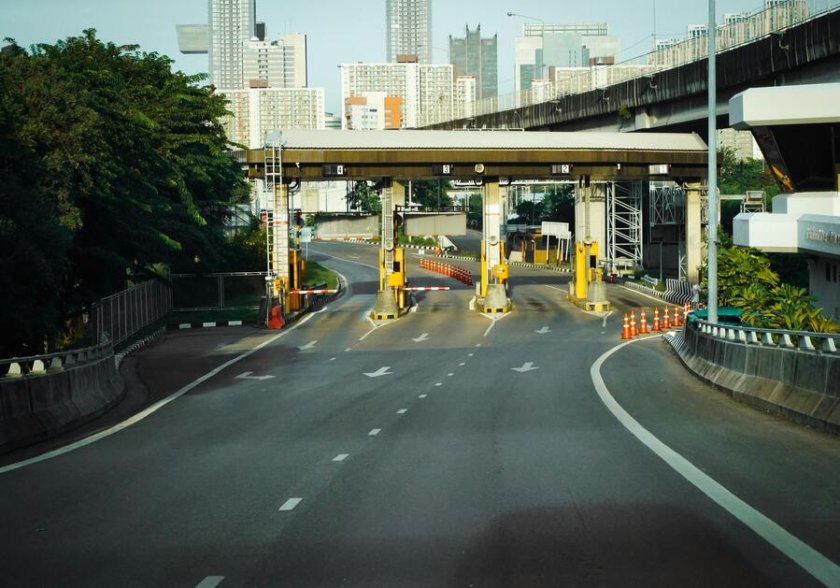
Autopistas are the equivalent of highways or motorways: multi-lane roads that are generally well maintained, with smooth traffic flow and very few speed bumps. They connect the country’s main cities and tourist regions.
Their main advantage is comfort and safety: you avoid driving through villages, encounter fewer slow trucks, and benefit from better road conditions. However, these highways are toll roads, and the fees can add up over long distances.
In 2026, average toll prices generally range between 3 and 5 pesos per kilometer, depending on the section. For example, the drive from Cancún to Mérida costs roughly 600 to 700 pesos, while a trip from Mexico City to Puebla costs around 200 to 250 pesos.
With these devices, tolls are paid automatically as you pass through the gate. The most common systems are PASE, IAVE, and TeleVía.
These tags can usually be purchased or recharged at gas stations, convenience stores such as OXXO or 7-Eleven, or online before your trip.
4.2 Carreteras libres: free but slower
Carreteras libres are free roads, often running parallel to toll highways. They allow you to drive through villages, stop at traditional restaurants, and enjoy more authentic scenery. However, they are slower and often have many speed bumps (speed bumps).
They can be an excellent option for short trips or travelers who enjoy local roads, but for long distances, autopistas remain more convenient and safer.
4.3 Gasoline and gas stations
In Mexico, gas stations are plentiful in large cities and on major roads, but rarer in rural or remote areas.
It is therefore advisable to fill up before heading to isolated areas such as Bacalar, Calakmul, the Pacific coast of Oaxaca, or certain areas of the Baja California desert.
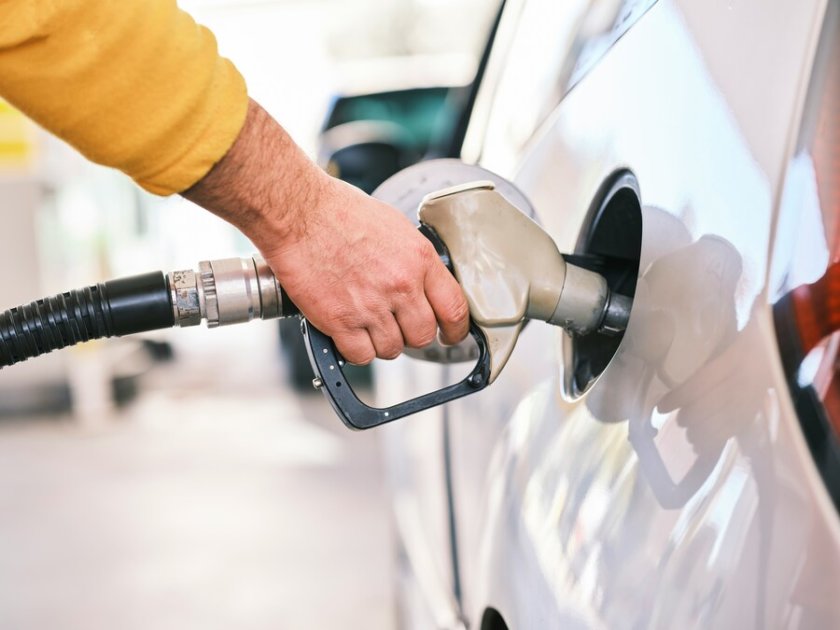
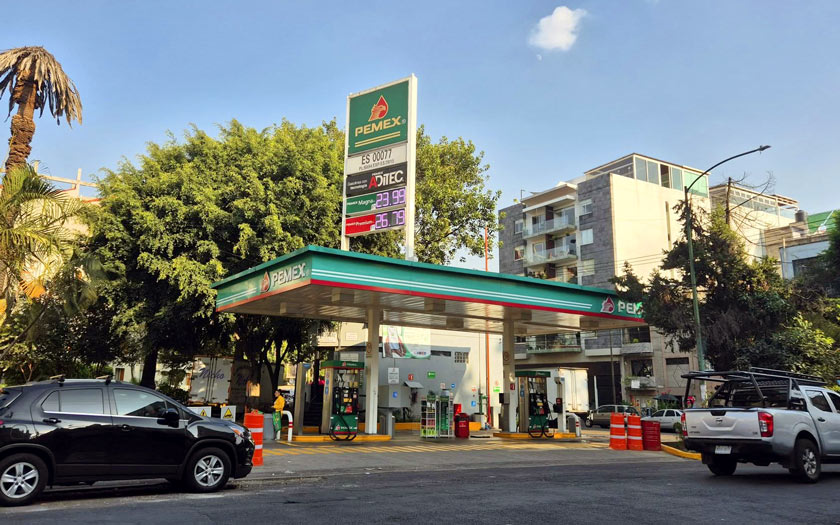
The main national company is Pemex, historically managed by the state, but in recent years, other brands such as BP, Shell, TotalEnergies, and G500 have established themselves, often offering more modern services. The employees—known as despachadores —will fill up your tank for you.
Just say “Lleno de magna, por favor” (fill it up with unleaded gasoline, please). Prices are regulated by the state and, in 2026, a liter of magna (unleaded 87) costs around 24 pesos, and premium (91) around 26 pesos, or approximately $1.5/L.
4.4 Payment and precautions
At most gas stations in Mexico, you can pay in cash or by card. It is important to check the meter before the attendant starts filling up your tank: make sure it is at zero to avoid any confusion.
If possible, stay next to the car while it is being filled and count the change given to you. These simple precautions will help you avoid the minor inconveniences reported by some travelers.
4.5 Breakdowns and assistance
In the event of a breakdown, flat tire, or mechanical problem on an autopista, you can call the “Ángeles Verdes” assistance service, a free service set up by the government to help motorists. They patrol major tourist routes and can provide breakdown assistance or call a tow truck if necessary.
The emergency number is 078, accessible from any phone.
If you are on a toll-free road, call your rental agency directly: most have a 24-hour assistance number and can tell you what to do.
When picking up the vehicle, always ask what the procedure is in the event of a flat tire or breakdown: some companies require you to contact them before any intervention, even minor ones!

4.6 Rain and road conditions
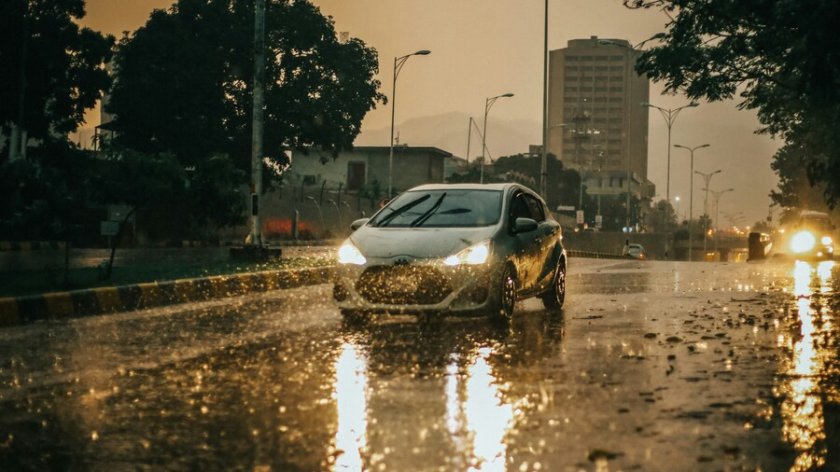
During the rainy season (June to October), some roads may be partially flooded or damaged by tropical storms.
In regions such as Chiapas, Oaxaca, or the Pacific coast, it is not uncommon to encounter deep potholes or deformed road surfaces.
The best thing to do is to slow down after heavy rain, avoid large puddles and, if necessary, let another vehicle pass to check the depth before driving through. Rental agencies sometimes recommend avoiding certain unpaved secondary roads (caminos de terracería), as they are not covered by standard insurance.
Depending on your destination, it is best to choose a car that is better suited to this type of road.
5. Police and road checks in Mexico
There is a visible police presence on Mexico’s main roads, particularly in tourist areas.
For most travelers, checks are rare and unproblematic, but it is useful to know how to behave if this happens. By understanding the local rules and adopting a calm attitude, interactions go very smoothly.
5.1 A more visible but often benevolent police force
Contrary to the image conveyed by some media outlets, Mexican law enforcement officers are generally respectful of tourists. Road checks are primarily intended to verify vehicle documents, seat belt use, and compliance with speed limits.
In regions such as Yucatán, the Riviera Maya, Baja California, and the area around Mexico City, the police are used to seeing foreign drivers and are often courteous and helpful.
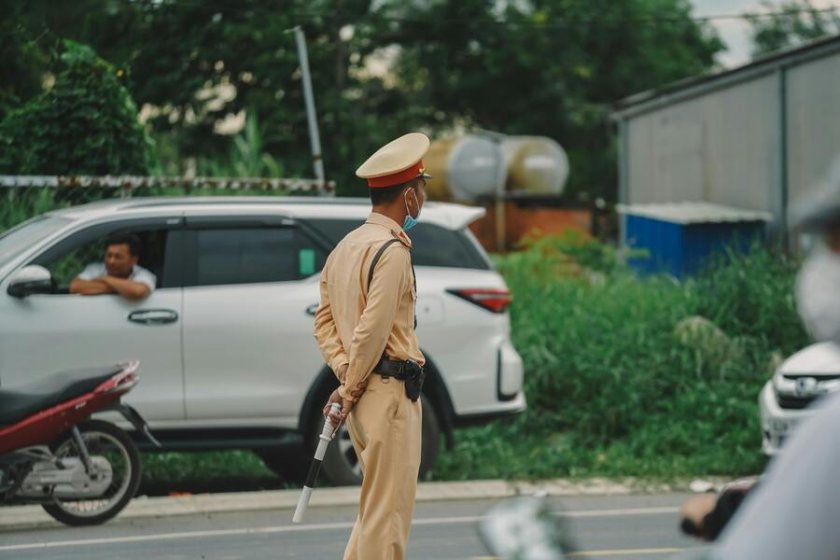
Guardia Nacional (federal police) officers patrol the highways and are responsible for traffic safety. Municipal or state police may carry out spot checks in cities.
If an officer stops you, keep in mind that this does not necessarily mean you have committed a serious offense: it may simply be a random check or a routine inspection.
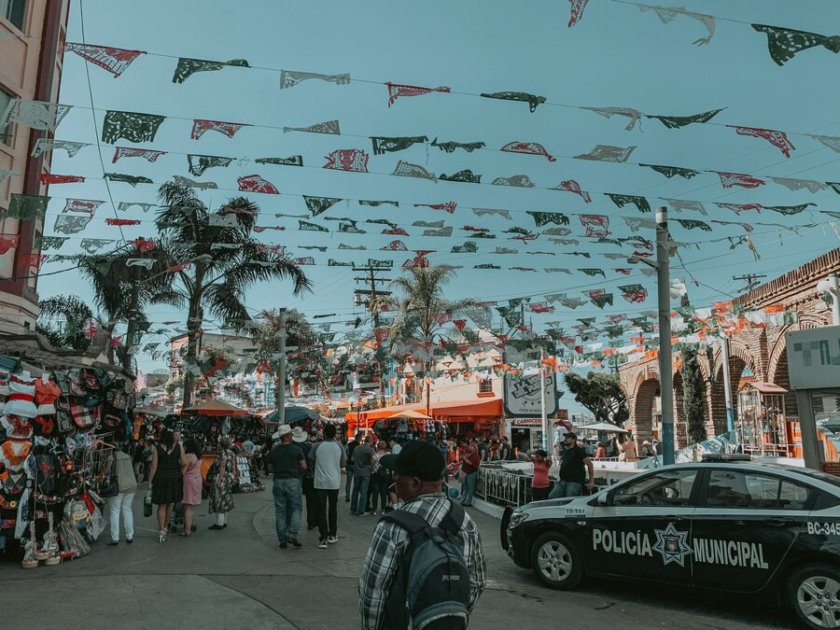
In certain tourist areas such as Quintana Roo or Baja California, it is also common to see police patrols in pickup trucks with armed officers.
This may come as a surprise, but these security forces are there to protect travelers and deter risky behavior, not because there is any danger. Their presence is intended to make the roads safer for everyone.
5.2 How a checkpoint works
If you are stopped, slow down, pull over calmly to the side of the road, and remain in your car unless you are asked to get out. Open the window slightly, greet the officer politely (“Buenos días” or “Buenas tardes”), and wait for them to speak.
Present the requested documents: your driver’s license, rental agreement, and a copy of your passport. In most cases, this is enough to clear up any suspicion.
If the officer reports a minor offense (speeding, parking, seat belt), they may offer a fine. In this case, ask for an official receipt (“multa”) and refuse to pay on the spot without a receipt.
Fines are always paid at the town hall or police station, never directly on the side of the road.
In major tourist areas, the practice of “mordidas” (bribes) has greatly diminished but may still occur. It is therefore best to remain firm but courteous, without aggression or panic.
In general, police officers appreciate respectful drivers and will let you go quickly.
👉 Keep your originals safe.
Never give your original official documents (passport, ID card, bank card). Instead, show photocopies or clear photos on your phone. Police officers do not need to keep the originals, even for a fine.
👉 Separate your money
Always keep small bills (100, 200 pesos) in an accessible place, and hide the rest in your bag, suitcase, or other discreet compartment. This allows you to pay an official fine or fill up your gas tank without taking out a large sum of money.
👉 Always be courteous
A calm and polite tone defuses most situations. A simple “Lo siento, soy turista” (“sorry, I’m a tourist”) is often enough to lighten the mood.
👉 Never argue insistently.
If the officer claims you have committed an offense, listen, politely ask for more details, and ask to pay at the police station. You can say, “¿Podemos ir a la estación para pagar la multa, por favor?” — this shows that you know the procedure and will cut short any abusive attempts. Some will let you go more easily rather than make the trip.
👉 Keep a digital copy of your documents.
Before you leave, scan your passport, driver’s license, and rental agreement. In case of loss or prolonged inspection, this will greatly facilitate the process.
👉 In case of a real problem: contact your embassy
- US Embassy in Mexico City: +52 (55) 5080 2000
- Canadian Embassy in Mexico City: +52 (55) 5724 7900
6. Practical advice for driving in Mexico
6.1 Check the condition of the vehicle before setting off
Before leaving the agency, take the time to carefully inspect the car. Check the tires, headlights, windshield wipers, and brakes, and take photos or videos of the bodywork from all angles.
This will protect you in case of any disagreements upon your return. If a warning light comes on or you notice an unusual noise, report it to the agency immediately.
Also ask for the company’s 24-hour assistance number and clarify the procedure to follow in the event of a flat tire or breakdown. Some agencies require you to contact them before any repairs, even minor ones, are made, otherwise they may refuse to reimburse you.
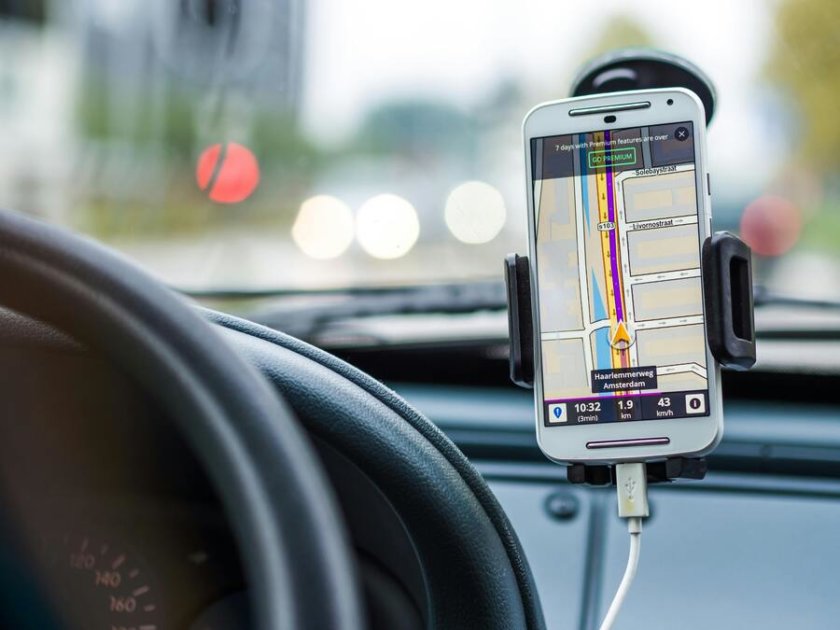
6.2 Download your maps offline
Network coverage is adequate in most tourist areas, but some regions such as Calakmul, the Sierra de Oaxaca, or parts of Baja California have little or no mobile signal. Consider downloading Google Maps offline before you leave.
The app will guide you without a connection and save you many detours. A popular alternative is Maps.me, which works entirely offline.
6.3 Bring cash and patience
Even though large cities are well equipped, some tolls, parking lots, and gas stations only accept cash. Always keep a few 50, 100, and 200 peso bills handy.
Driving in Mexico requires patience: speed bumps, winding roads, and minor roadworks can sometimes slow you down. It’s best to allow plenty of time for your journey and keep a “vacation” mindset.
6.4 Park smart
Parking is often regulated, even in small towns. Look for secure parking lots (estacionamientos) or areas with clear signage.
Avoid parking on bends, sidewalks, or in front of shops, even for a few minutes: in some cities such as Tulum or Playa del Carmen, illegally parked cars may be towed away.
The cost is often high: between 3,000 and 4,000 pesos for towing (grúa) and the same amount for storage fees, or a total of nearly 7,000 to 8,000 pesos—more than €350. It’s better to walk a few minutes than to lose a day and a large sum of money.
6.5 Roads and weather: anticipate the unexpected
Mexico experiences highly variable weather conditions depending on the region and season. Between June and October, tropical rains can be intense, especially in the south and the Gulf of Mexico. Roads can become slippery or even flooded in some areas.
After a heavy downpour, slow down and avoid deep puddles, which can hide potholes. On rural or unpaved roads, caution is essential: it is better to drive slowly than to damage a tire or suspension.
Flat tires are not uncommon, especially on secondary roads or after heavy rains. If this happens to you, pull over to the side of the road, turn on your hazard lights, and contact the agency for assistance.
Some companies cover tire repairs, while others require you to pay the garage first and submit the bill later. The most important thing is to never try to drive on a flat tire, even for a short distance.
6.6 Safety and behavior
Mexicans often drive more intuitively than according to the rules, but they are generally respectful of others. Avoid reacting to sudden movements or close overtaking.
The key is to anticipate and stay calm. In the event of a minor collision, call your agency directly before taking any action: Mexican insurance companies often require a local agent or expert to come and file a report, even if the damage seems minor.
6.7 Keep a local contact
Before you leave, I suggest you write down a few useful numbers:
- Ángeles Verdes assistance (breakdown on the highway): 078 or 01 800 006 8839
- General emergencies: 911
- Your rental company’s assistance number, as indicated on the contract
- Embassy or consulate of your country (depending on the region)
These contacts can save you precious time in the event of an unforeseen event.
Finally, remember that the vast majority of travelers who rent a car in Mexico have a problem-free experience.
By following these recommendations (prepare your itinerary, remain patient, drive carefully), you will fully enjoy the incomparable freedom that the Mexican road offers!
7. Driving in the main regions of Mexico
Mexico is a huge and diverse country, and each region offers a different driving experience. The landscapes change completely between the turquoise beaches of Yucatán, the mountains of Oaxaca, and the deserts of Baja California.
In most tourist areas, the roads are in good condition and traffic flows smoothly, provided you adapt your speed and plan your routes. Here is an overview of the main regions where it is pleasant—and safe—to get behind the wheel.
7.1 Yucatán & Riviera Maya
This is the easiest, most touristy, and safest region to drive in Mexico. The roads connecting Cancún, Playa del Carmen, Tulum, and Mérida are well maintained, flat, and clearly marked. There are many travelers in rental cars, which contributes to a reassuring atmosphere.
The main roads, such as Route 307 (Cancún–Tulum) and Route 180D (Cancún–Mérida), are modern and well signposted. The distances are reasonable: allow about 2.5 hours between Cancún and Tulum, and 3 to 4 hours to reach Mérida.
Drivers tend to drive relatively calmly, and the signage is easy to understand, even for foreign visitors.
It is also the ideal region for a nature and culture road trip: visit the Mayan ruins of Chichén Itzá or Ek’ Balam, swim in the cenotes of Valladolid, discover the lagoons of Bacalar, or head to the quiet beaches of Mahahual.
A word of advice: secondary roads can sometimes be lined with speed bumps, which are not always signposted, and dogs often cross the road, especially in small villages.
7.2 Mexico City & surroundings
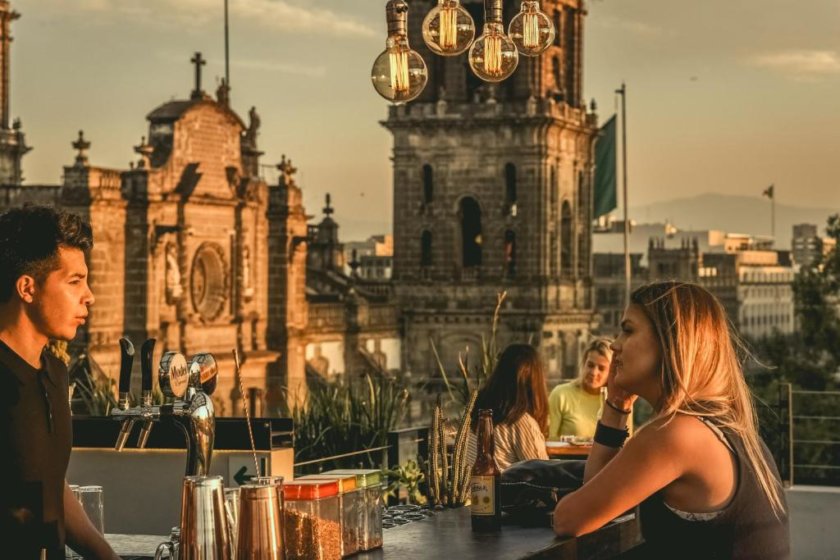
Driving in Mexico City can be daunting at first, as traffic is heavy and parking is often difficult. However, with a little preparation, it is entirely possible to get around easily. The simplest solution is to limit driving to outside the historic center and use the car for excursions around the capital.
The highways connecting Mexico City to Puebla, Querétaro, Cuernavaca, Taxco, and San Miguel de Allende are modern, well-maintained, and safe. They offer an excellent way to discover the colonial cities, volcanoes, and mountainous landscapes surrounding the capital.
Some essential tips: avoid rush hour (7 a.m.–9 a.m. and 5 p.m.–8 p.m.), choose secure parking lots (estacionamientos) rather than street parking, and allow a little extra time for your journeys, especially during the week. Be patient, as getting in and out of the capital can take a long time.
Outside the city, driving becomes enjoyable again and the scenery is superb. For a cultural road trip, the Mexico City region is an excellent base: many historical sites are only a few hours away.
7.3 Oaxaca (city and Pacific coast)
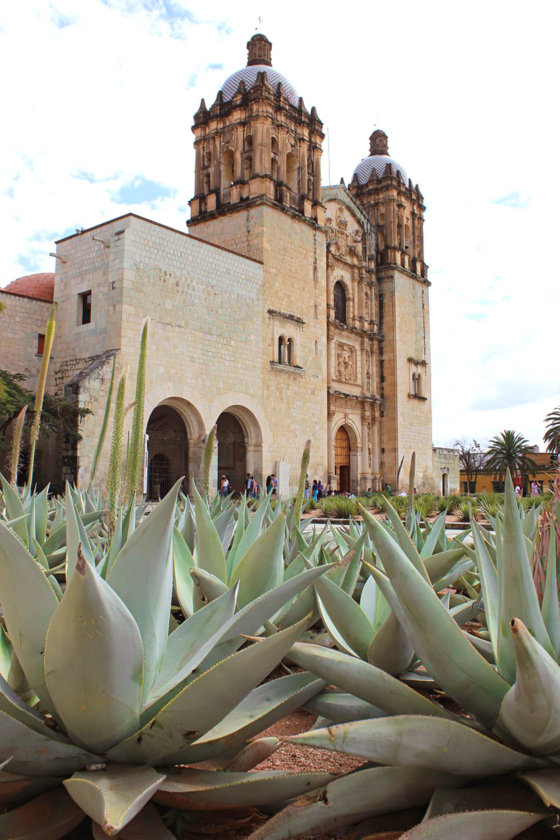
The Oaxaca region captivates visitors with its raw beauty and varied landscapes. However, driving there requires more preparation than in other tourist areas.
Historically, the road from Oaxaca to the Pacific coast was long and winding. It crossed the Sierra Madre, with numerous bends and climbs, and could take 6 to 7 hours. After the rains from June to October, potholes and landslides complicate traffic.
Since February 2024, the new Barranca Larga–Ventanilla highway has offered a fast and safe alternative. It is 65 miles long and allows you to reach Puerto Escondido in 2.5 to 3 hours. This modern road has two lanes in each direction, tunnels, bridges, viaducts, and official tolls.
Even with this road, some secondary sections remain narrow and winding. Weather can also complicate traffic. It is advisable to drive during the day, plan breaks, and remain alert for animals or obstacles.
If you rent a car, check the tires, spare tire, and basic tools before departure. Flat tires are common on mountain roads or after heavy rains. Ask about the assistance and breakdown services offered by the rental agency.
Traffic in the city of Oaxaca is generally calm. The historic center is easy to navigate, especially if you use secure parking lots. Follow parking rules to avoid fines or “arañas” (wheel clamps).
Around the city, you can visit Teotitlán del Valle or Santa María del Tule by car. You can also explore colorful markets and take a trip to the Tlacolula Valley and its traditional haciendas.
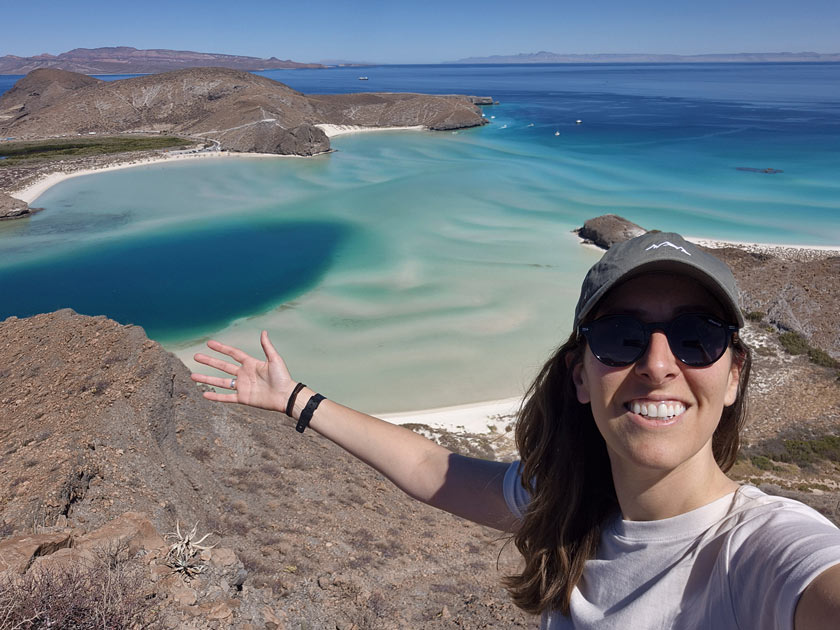
7.4 Baja California & Baja California Sur
The Baja California Peninsula is a paradise for lovers of wide open spaces and road trips. The Carretera Transpeninsular (Mex 1) connects Tijuana to Cabo San Lucas over nearly 1,500 miles. This scenic route passes through spectacular deserts, secluded beaches, and small fishing villages.
Driving here is peaceful, but you need to plan your stops carefully.
Some sections are very long and gas stations can be more than 90 miles apart.
Always fill up when you have the chance, especially between Guerrero Negro, Loreto, and La Paz (I had a few close calls during my road trip in Baja California Sur because my gas tank was almost empty and I was in the middle of nowhere!).
Among the must-see stops are Ensenada and its wine route, the San Ignacio lagoon for whale watching, the colonial town of Loreto, the desert beaches of Bahía Concepción, and Cabo San Lucas with its famous arch. These stops offer a mix of nature, culture, and relaxation.
The landscapes are magnificent and varied: mountains, giant cacti, cliffs plunging into the sea. It’s like a movie set. The roads are generally good, but the shoulders are sometimes narrow. Be careful when passing other vehicles.
In summer, from July to October, tropical rains can make access to certain areas difficult. Driving in this region of Mexico is a taste of absolute freedom: little traffic, no stress, and spectacular sunsets over the Pacific.
7.5 Puerto Vallarta & Central Pacific Coast
The Puerto Vallarta region on the Pacific coast offers pleasant driving and magnificent tropical landscapes. The coastal roads connecting Vallarta to Sayulita, San Pancho, and Bucerías are easy to navigate and well maintained.
They are ideal for short trips along the coast.
For most travelers, it is best to fly to Puerto Vallarta from Mexico City or Guadalajara. Renting a car directly on site avoids the long drive from the capital. This allows you to enjoy the car solely for exploring the coastal villages and surrounding beaches.
Places to discover include the bohemian villages of Sayulita and San Pancho, the wild beaches of Las Gemelas, the charming beach of Punta Mita, and the Malecón in Puerto Vallarta for its sculptures and lively atmosphere.
These short trips offer the ideal experience for alternating between relaxation, surfing, local restaurants, and craft markets.
Some secondary roads, particularly those leading to isolated beaches or nearby mountainous areas, can be narrow or winding. It is advisable to drive during the day. There are many secure parking lots in the city, and traffic is much more relaxed than in Mexico City or Oaxaca.
Overall, Puerto Vallarta and its surroundings are an ideal region for a quiet and scenic coastal road trip. You’ll find sea, picturesque villages, and cultural experiences, with very little stress on the road.

8. Alternatives to driving for easy travel in Mexico
Although driving is often the most flexible option for exploring Mexico at your own pace, it is not the only way to get around. Depending on your destinations, budget, or comfort level, there are several reliable and safe alternatives that allow you to travel stress-free while discovering the country from a different perspective.
Whether you want to connect major cities, reach remote tourist sites, or simply get around town, these options often offer a good compromise between cost, speed, and convenience. In this section, we review the most common solutions, their advantages, and practical tips for using them with peace of mind.
8.1 Long-distance buses
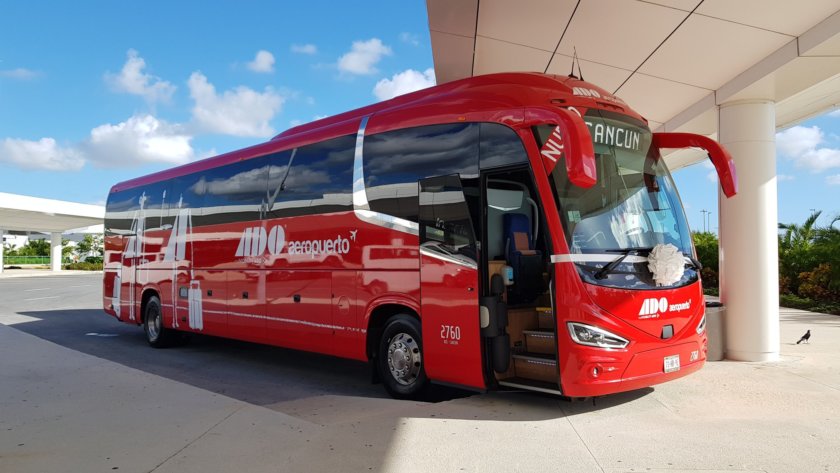
Intercity buses are one of the most popular and reliable options for traveling in Mexico. They cover virtually every region of the country, from major cities such as Mexico City, Guadalajara, and Monterrey to smaller towns and more remote tourist destinations. This makes them very convenient for planning trips without having to drive yourself.
Mexican buses are renowned for their comfort and safety. The vehicles are modern, air-conditioned, with reclining seats, and sometimes Wi-Fi and power outlets. For short or long journeys, different levels of comfort and services are available. There are standard buses, “primera clase” or “ejecutivo” with more amenities.
Intercity buses offer excellent value for money. Tickets are generally affordable, and online booking allows you to secure your seat and take advantage of promotions, especially during high season. To avoid the stress of traffic, unfamiliar roads, or searching for parking, the bus is a simple and convenient solution.
This allows you to explore Mexico at your own pace while enjoying the scenery and cities you pass through. Among the largest, most reliable, and well-known companies in Mexico are:
- ADO: mainly serves the south and Yucatán, with routes to Cancún, Tulum, Mérida, Oaxaca, and Mexico City.
- Estrella Roja: specializes in the Mexico City–Puebla region and other central cities.
- Primera Plus: serves routes from the center to the north and west, for example Mexico City – Guadalajara.
- Futura: serves the center and west of the country, with frequent and comfortable departures.
8.2 Collectivos
Collectivos are shared minibuses (vans) that run on fixed routes. They are used by locals to travel quickly between villages, small towns, or tourist areas. This mode of transportation is widespread throughout Mexico, not just in the Yucatán or the Riviera Maya.
They can be found in rural areas, on the Pacific coast, in mountain valleys, and around secondary cities. They are inexpensive, frequent, and sometimes faster than buses for certain local destinations. However, they offer less comfort and flexibility than a long-distance bus.
These vehicles usually leave when they are full and do not always have fixed schedules. They therefore require a little patience. They are ideal for short trips, exploring typical villages, accessing secluded beaches, or visiting local markets.
Payment is cash only. It is advisable to always have small bills on hand.
- Cancún – Playa del Carmen route: Central station (ADO bus) and near the market
- Playa del Carmen to Tulum or Playa del Carmen to Cancún: Near the Chedraui supermarket
- Tulum – Playa del Carmen route: Several stops available on the main federal highway through Tulum
8.3 Taxis and private hire vehicles
Getting around town or for short, occasional trips is often easier with a taxi or private hire vehicle. These options are particularly useful in large cities or tourist areas where traffic is heavy and parking is limited. They also allow you to get around without stress, without having to worry about the road, parking, or local signage.
Traditional taxis
Taxisare available in all cities and tourist areas in Mexico. However, a few precautions are necessary:
- Before getting in, always ask for the price of the ride. Some drivers sometimes take advantage of inexperienced travelers. Choose official taxis, which can be recognized by their visible license and their color specific to each city (e.g., Cancún: white with red roofs).
- Never show your official documents and keep them in a safe place. Do the same with your money, which you can divide into small bills and keep in different places.
- It is best to book your taxi through your hotel or an official app, especially in cities where Uber or DiDi are not available.
With these simple precautions, your taxi rides in Mexico will be comfortable and worry-free.
Ride-hailing apps (Uber, DiDi, Beat)
Apps are available in several major cities in Mexico, but their availability varies by region. Uber operates in Mexico City, Guadalajara, Monterrey, Mérida, Puebla, and Veracruz, offering a convenient and safe way to get around.
In the Riviera Maya, its use remains limited. It is only available in downtown Cancún, but not in Playa del Carmen or Tulum, where official taxis are the preferred option.
Other services such as DiDi and Beat operate in certain cities, but their coverage remains uneven. Before planning a trip, it is best to check their availability on site.
By combining private hire vehicles and official taxis, travelers can get around easily and with peace of mind, whether for a short trip in the city or an excursion to nearby tourist sites.
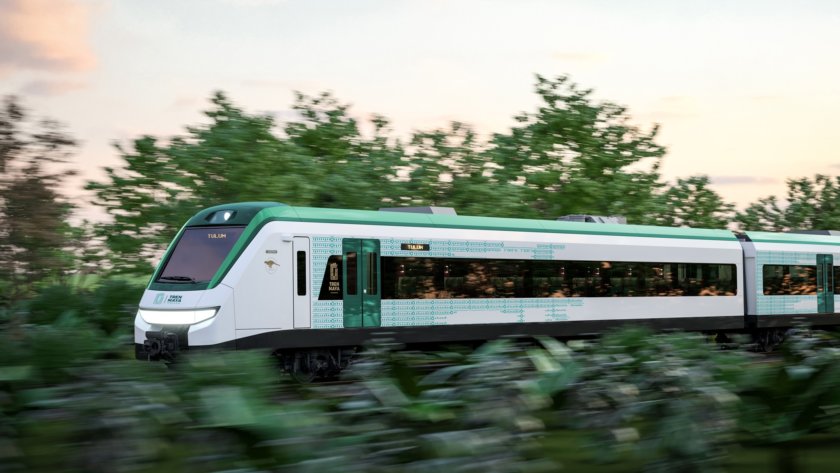
8.4 The Maya Train: a journey through the heart of the Yucatán Peninsula
The Maya Train (Tren Maya) crosses the Yucatán Peninsula and connects the states of Quintana Roo, Yucatán, Campeche, Chiapas, and Tabasco. This new railway allows travelers to explore the region’s cultural, historical, and natural treasures while traveling comfortably between major destinations.
Main route and stations
- Palenque (Chiapas)
- Escárcega (Campeche)
- Calkiní (Campeche)
- Izamal (Yucatán)
- Cancún Airport (Quintana Roo)
- Tulum (Quintana Roo)
- Bacalar (Quintana Roo)
Some of the most important stations include Palenque, Escárcega, Campeche, Mérida–Teya, Izamal, Chichén Itzá, Valladolid, Cancún Airport, Playa del Carmen, Tulum, Bacalar, and Chetumal, along with several smaller stops connecting rural areas and archaeological sites.
Timetables and fares
Several daily departures operate from Cancún Airport to major destinations across the peninsula. Ticket prices vary depending on the route, seat class, and passenger type.
To travel comfortably, it is recommended to book your ticket in advance and arrive at the station at least 30 minutes before departure. Passengers can bring a small piece of hand luggage and enjoy onboard services during the journey.
Driving in Mexico: frequently asked questions
Do I need an international driver’s license to drive in Mexico?
No. A valid driver’s license from your home country is sufficient, as long as it is written in Latin characters. Travelers from the United States, Canada, the UK, and most European countries can drive legally in Mexico with their national license.
Is it dangerous to drive in Mexico?
Road safety varies depending on the region, but in the main tourist areas—such as Cancún, Playa del Carmen, Mérida, Tulum, Oaxaca, or Baja California Sur—driving is generally safe. The main recommendation is to drive during the day and stick to major roads.
Can I pay highway tolls by credit card?
Mexico is gradually introducing an electronic TAG system for toll highways. These tags (such as PASE, IAVE, or TELEVIA) can be purchased at gas stations, OXXO stores, or online. While some toll booths still accept cash, the system is increasingly moving toward automatic payment.
How much does gas cost in Mexico?
In 2026, the average price of gasoline in Mexico is around 24 pesos per liter (about $1.25 per liter) for regular gasoline (Magna). Premium gasoline (Premium) usually costs slightly more.
Driving in Mexico: is it a good idea?
After many road trips in Mexico, I can honestly say that yes, it is a very good idea.
Driving in Mexico can seem intimidating at first, but with a bit of preparation and a few simple precautions, it is actually one of the best ways to explore the country at your own pace. Renting a car gives you the freedom to discover less touristy places, reach secluded beaches, and stop in small villages whenever you want.
That said, it is important to understand a few local realities: watch out for topes (speed bumps), respect speed limits, avoid driving at night, and always check your insurance and the condition of the vehicle before setting off.
If you prefer not to drive, Mexico also offers several practical alternatives, including long-distance buses, collectivos, official taxis, and even the Maya Train in certain regions.
With a little caution, good organization, and the right reflexes, driving in Mexico can be both safe and rewarding. It is one of the best ways to enjoy the country’s incredible cultural and natural diversity with complete freedom.
Renting a car in Mexico
Many travelers choose to rent a car in Mexico, and for good reason. It allows you to travel at your own rhythm, explore places that are harder to reach by public transport, and enjoy much more flexibility throughout your trip.
However, as you probably already know, finding a reliable car rental company in Mexico is not always easy. Between hidden fees, unclear insurance policies, and the occasional scam, it is important to book carefully.
Personally, when I rent a car in Mexico, I usually use Booking.com Cars for several reasons:
- You can easily compare the rental cars prices between all the agencies: for sure the easiest way to find the best rate!
- Cancellation is often offered free of charge: no need to worry if you change your mind
- Booking Cars offers full insurance coverage at a lower price than the rental companies, so it’s an instant saving with no effort
Simply click on the green button to find your rental car at the best price:
How to find the best price for your flight ticket
To save money on flight tickets, you can use our flight comparator for Mexico, in partnership with Skyscanner: it’s the guarantee to pay the best price for your international and domestic flights!
🚗 Rent a car
🗽 Book entrance tickets and guided visits
🏄 Book your sports activities
🌍 Take a travel insurance
🙎 Book a tour
✈️ Book your flight
You’re traveling in Mexico? These articles will help you!
Discover all my articles about Mexico: All my articles to help you plan your trip to Mexico are listed there.
- TOP 35 Things to Do and Must See Attractions in Mexico – All the best places to discover
- World Cup 2026 Mexico: Guide, Tickets, Stadiums + Tips
- Itinerary: 8-10 days in Mexico – From Mexico City to Oaxaca
- Itinerary: 10 days in Mexico – Mexico City, Chiapas and Yucatan
- Itinerary: 2 weeks in Mexico – Best itinerary to discover the Yucatan Peninsula and Chiapas!
- Itinerary: 3 weeks in Mexico – Mexico City, Puebla, Oaxaca, Chiapas, Campeche, Yucatán and Riviera Maya
- Itinerary: 1 month in Mexico – My Epic 30-31 Days Itinerary from Mexico City to Cancun
- Road trip in Mexico: The best itineraries for 10, 15, 21 days and a month
- Itinerary: 1 week in Yucatan – The Ultimate 6, 7 or 8 days Itinerary
- Itinerary: 10 days in Yucatan – Best Itinerary for 9, 10 or 11 Days in Yucatan
- Itinerary: 2 weeks in Yucatan – Epic Itinerary + All my Best Tips!
- Itinerary: 3 weeks in Yucatan – Best things to do in 20-21 days
- Itinerary: 1 month in Yucatan – Yucatan Peninsula in 29, 30 or 31 days from Cancun
- Road trip in Yucatan: The best itineraries for 7, 10, 15, 21 days and 1 month
- Itinerary: 7-8-9 days in Baja California Sur – From La Paz, Loreto, Rancho Sol de Mayo, San José del Cabo, Todos Santos
You’re using Pinterest? Here is the picture to pin!