
How to Prepare for Your Trip to Mexico (All My Best Tips)
Are you planning a trip to Mexico but don’t really know where to start?
You’ve come to the right place!
From the beaches of Cancún and the Riviera Maya to colonial cities such as Mexico City, Oaxaca, and Puebla, and Mayan archaeological sites lost in the jungle, Mexico offers exceptional cultural and natural riches.
But before diving into the adventure, it’s best to plan your trip carefully.
To help you organize your stay in Mexico 2026, I’ve gathered all the essential information in this comprehensive guide: entry requirements, mandatory documents, vaccinations, travel insurance, safety, money, weather, and transportation.
So, are you ready to plan your trip to Mexico? Let’s go!
Sommaire
- How to Prepare for Your Trip to Mexico (All My Best Tips)
- 1. How long does it take to visit Mexico? Find the best itinerary!
- 2. Visa, length of stay, and entry formalities for Mexico
- 3. Documents to prepare before departure
- 4. Taxes and tourist fees in Mexico
- 5. Customs: what you can bring into Mexico
- 6. Health and travel insurance in Mexico
- 7. Safety in Mexico
- 8. Weather and best time to travel to Mexico
- 9. Money and payments in Mexico
- 10. Internet and communication in Mexico
- 11. Electricity and adapters in Mexico
- 12. Getting around Mexico
- 13. Pre-departure checklist for Mexico
- 14. Frequently asked questions to help you prepare for your trip to Mexico
- How long can you stay in Mexico without a visa?
- Do I need to apply for a visa before I leave?
- What is the FMM (tourist card) and do I need to keep it?
- What is the VISITAX (Quintana Roo) and how do I pay it?
- What happens if I exceed the authorized length of stay?
- Is tap water safe to drink?
- Do I need travel insurance?
- Is a foreign driver’s license sufficient to rent a car?
- Renting a Car in Mexico
- How to Find the Best Flight Deals
- You’re traveling in Mexico? These articles will help you!
1. How long does it take to visit Mexico? Find the best itinerary!
Wondering how long it takes to visit Mexico? This is an essential question to ask before you go!
The country is huge and incredibly diverse: between the Mayan ruins of Yucatán, the mountains of Chiapas, the beaches of Baja California, and the cultural richness of Mexico City or Oaxaca, it’s impossible to see everything in one trip.
To get the most out of your stay, it’s best to decide in advance which major attractions appeal to you the most. In one or two weeks, you can already discover a lot: it all depends on the type of trip you are looking for and the pace you want to set.
Here is a selection of itineraries in Mexico classified by duration, to help you choose the one that best suits your time and desires: from short tours to see the essentials to longer road trips to explore the country in depth.
- Itinerary: 8-10 days in Mexico – from Mexico City to Oaxaca
- Itinerary: 10 days in Mexico – Mexico City, Chiapas, and Yucatán
- Itinerary: 2 weeks in Mexico – Detailed itinerary in Yucatán and Chiapas
- Itinerary: 3 weeks in Mexico – The best of Mexico in 20, 21, or 22 days
- Itinerary: 1 month in Mexico – Recommended itinerary from Mexico City to Cancún
- Road trip in Mexico: the best itineraries to plan your trip!
- Itinerary: 1 week in Yucatan – to plan your short stay
- Itinerary: 10 days in Yucatan – see as much as possible in a short time!
- Itinerary: 2 weeks in Yucatan – to see the best sites on the Yucatan Peninsula
- Itinerary: 3 weeks in Yucatan – the best itinerary!
- Itinerary: 1 month in Yucatan – The perfect itinerary for around 30 days
- Road Trip in Yucatan: The best itineraries for 7, 10, 15, 21, and 30 days
Let our personalized travel planner service guide you every step of the way: I will create a tailor-made itinerary for you, adapted to your desires, your budget, and your pace, for a unique and hassle-free trip.
Contact me directly: angieplanner.mexique@gmail.com

2. Visa, length of stay, and entry formalities for Mexico
1. Do I need a visa to travel to Mexico?
Ff you are a European or American, or Canadian citizen, you do not need a visa to enter Mexico for a tourist stay of less than 180 days.
Please note: this exemption only applies to tourist travel.
- If you are traveling to study, work, volunteer, do an internship, or participate in a humanitarian mission, you must obtain a specific visa from the Mexican consulate before your departure.
2. The mandatory digital version of the FMM (Formulario Migratorio Múltiple) tourist card
If you enter Mexico by plane, you do not need to fill out an FMM before arrival (neither paper nor FMMe). At immigration, the officer will stamp your passport and indicate the length of your authorized stay.
If you need the FMMd (which serves as proof of status: tourist, business, etc.), you can download your digital FMM (FMMd) once during the period granted, either via the INM Services Portal or by scanning the QR code displayed at immigration filters.
3. How many days can I stay in Mexico?
The maximum length of a tourist stay in Mexico is 180 days (approximately six months). However, it is the immigration officer at the border who decides the exact number of days allowed. In most cases, travelers are granted between 30 and 180 days.
Carefully check the stamp on your passport or the note on your FMM, as this document is valid during your stay.
If you have any doubts about the length of time you are allowed to stay, you can also check online.
For study, work, or volunteer stays, it is essential to obtain the appropriate visa before departure. Finally, if you are simply transiting through Mexico without leaving the airport, you do not need a visa, but your FMM may still need to be completed.

3. Documents to prepare before departure
1. Passport
Of course, a passport is mandatory!
Your passport must be valid for the entire duration of your stay in Mexico
Even though the authorities do not officially require a validity of six months after entry, it is strongly recommended that you have at least six months of validity to avoid any problems when boarding or arriving.
Also, make sure your passport has blank pages for the entry stamp.
2. Return ticket or proof of departure from the country
During the arrival check, the immigration officer may ask for a return ticket or proof of departure from Mexico (for example, a bus or plane ticket to another country). If you do not have this document, you may be refused entry into the country.
3. Hotel reservations or proof of accommodation
It is common for authorities to request a hotel reservation covering the first few days of your stay. If you are staying with a relative, have their address ready and prepare a letter of invitation accompanied by a copy of their ID.
4. Proof of sufficient funds
The immigration officer may require proof of financial means (cash, bank statement, credit card). There is no official amount, but you may be required to demonstrate that you can support yourself during your stay.
5. FMM tourist card
The FMM tourist card is mandatory for all travelers, even those exempt from visas. It is provided upon entry into the country, in paper or digital format.
Pay attention to the authorized duration
- The officer will stamp your passport with the number of days you are allowed to stay. Check it immediately.
- If you exceed the authorized length of stay, you will be considered to be in an irregular situation.
- Possible consequences include: a fine to be paid at the airport before departure, temporary detention by immigration, or difficulties when entering Mexico in the future.
4. Taxes and tourist fees in Mexico
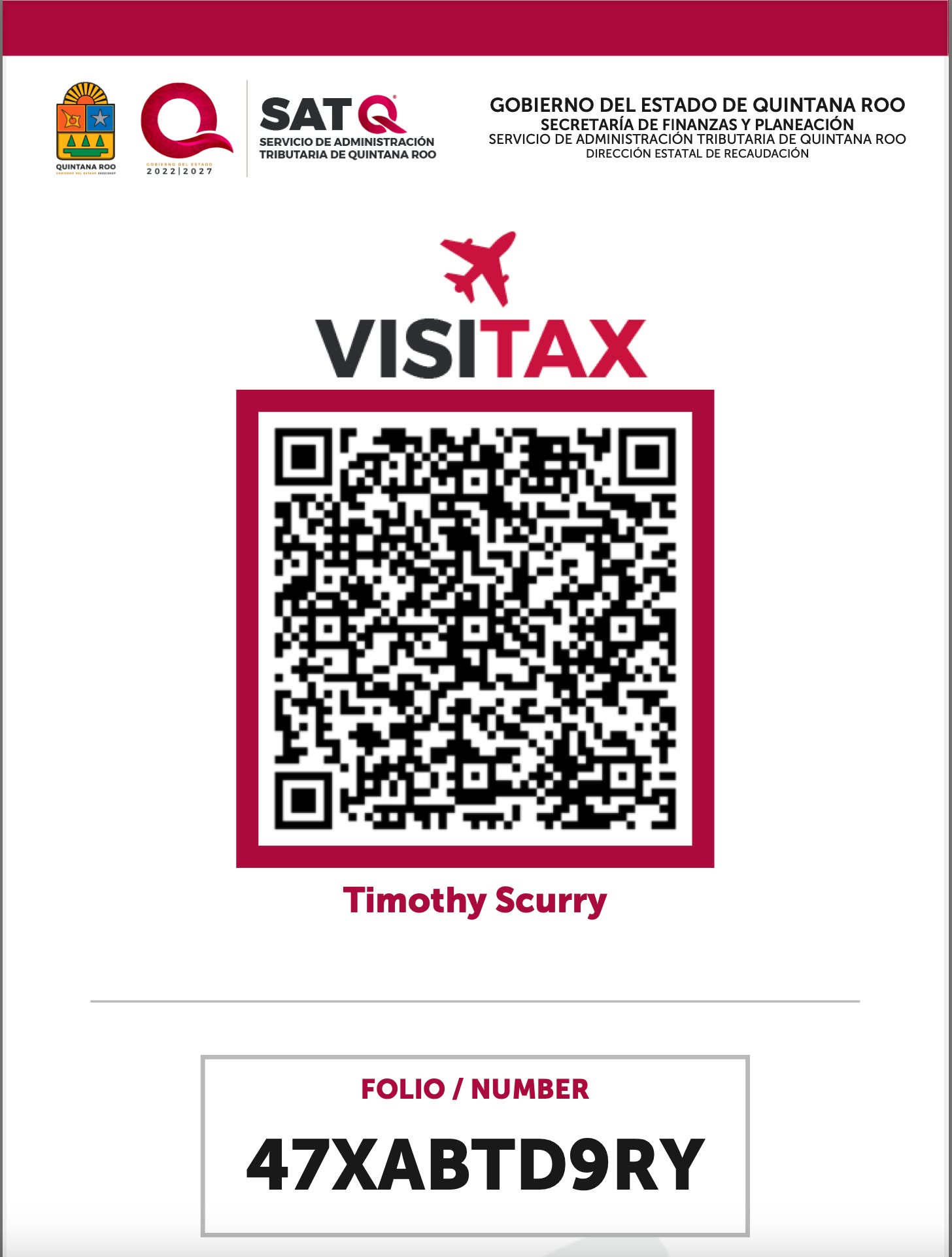
1. The VISITAX (Quintana Roo state only)
Since 2021, the state of Quintana Roo —home to Cancún, Playa del Carmen, Tulum, Cozumel, and Isla Mujeres —has imposed a tourist tax called VISITAX, amounting to MXN 283 (approximately €17 / CAD 24 / USD 17.75) per 2026.
It applies to all foreign travelers over the age of 4 arriving by air, regardless of the length of their stay.
But beware of scams! There are scams circulating: never go through an intermediary. The tax can be paid online on the official Visitax website or directly at Cancún airport.
All you need to provide is:
- The full name of each traveler in the group
- The passport number of each traveler
- The total number of travelers
- The date of departure from Mexico
- If you have any questions or problems, you can contact the Quintana Roo tax administration directly at (+52) 998-223-6842 or by email: contact.us@satq.qroo.gob.mx
2. Local hotel taxes
In most tourist destinations in Mexico, hotels add a local tax to your bill. The amount varies depending on the municipality. For example, in Cancún and Playa del Carmen, an environmental tax of MXN 30 to 40 (€1.5 to €2) per night per room is usually charged.
3. Other possible charges
- Environmental taxes: Some protected natural areas—such as national parks, cenotes, or the Sian Ka’an reserve —require a small entrance fee.
- Tours: Some tourist activities (diving, visits to archaeological sites) include a government fee in the advertised price.
- Airport fees: these are usually included in international tickets, but it is best to check before departure.
5. Customs: what you can bring into Mexico
This is a question I am asked regularly!
You must comply with certain customs rules regarding what you can bring with you. Here are the essentials you need to know:
1. Traveler’s allowance (personal belongings)
Each traveler may enter Mexico with:
- Personal effects: clothing, toiletries, laptop, camera, phone, and reasonable electronic accessories for personal use.
- Souvenirs and gifts: with a total value not exceeding $500 USD if arriving by air, or $300 USD if arriving by land or sea.
2. Limits and quantities allowed (tobacco and alcohol)
You may carry for your personal consumption:
- Tobacco: up to 200 cigarettes, 25 cigars, or 200 g of tobacco.
- Alcohol: up to 3 liters of alcoholic beverages and 6 liters of wine.
3. Medicines
- You can bring medication for personal use.
- Medications containing controlled substances (opiates, sleeping pills, anxiolytics) require a prescription in English or Spanish.
- If in doubt, only carry the amount necessary for your stay, in the original packaging.
4. Prohibited or restricted items
🚫 Strictly prohibited:
- Fresh food products (fruit, vegetables, meat, dairy products).
- Unauthorized animal or plant products (health/parasite risk).
- Products derived from protected species (shellfish, coral, exotic animals).
⚠️ Must be declared:
- Drones: importation for personal use is possible, but declaration is required. In certain areas (archaeological sites, reserves), use is prohibited.
- Cash: any amount exceeding $10,000 (or equivalent) must be declared.
5. Customs controls: traffic light system
Upon arrival, you will go through a random control system called semáforo fiscal:
- Green: you pass through without inspection.
- Red: your luggage must be checked by customs officers.

6. Health and travel insurance in Mexico
Good news! Traveling to Mexico does not require any complex medical procedures, but good preparation is still essential to avoid unpleasant surprises.
Here is the most important information you need to know before you leave:
1. Recommended vaccinations
No vaccinations are required to enter Mexico, except in special cases (for example, yellow fever if you are arriving from a country where the disease is present). However, several vaccinations are strongly recommended:
- Hepatitis A: highly recommended, as the virus is transmitted through water and food.
- Typhoid: useful for extended stays or in rural areas.
- Hepatitis B: recommended if you are staying for a long time or have risky contacts.
- Tetanus, diphtheria, polio: up-to-date boosters are essential.
- Rabies: recommended for long-term travelers or those in contact with animals (rural areas, volunteer work, expeditions).

2. Travel and repatriation insurance
Many travelers mistakenly believe that healthcare in Mexico is affordable and that travel insurance is unnecessary. On the contrary!
The public system remains fragile and the Mexican healthcare system is fee-based, with medical costs that can be very high, especially in private clinics frequented by tourists.
For example:
- A simple consultation can cost €50 to €100.
- Hospitalization or surgery can cost several thousand euros.
- Medical repatriation to Europe can cost more than €50,000.
3. Drinking water and food hygiene
Tap water is not drinkable in Mexico, even in high-end hotels. Only drink sealed, boiled, or filtered bottled water.
To avoid digestive problems, choose fruits and vegetables that you can peel yourself and pay attention to the cleanliness of street stalls.
The infamous “traveler’s stomach” (traveler’s diarrhea) is very common. Remember to bring Smecta, paracetamol, and oral rehydration sachets. In Mexico, you can easily find bottles of Electrolit to rehydrate quickly.
4. Useful numbers in Mexico
- Emergencies (police, fire department, ambulance): 📞 911
- USA Embassy in Mexico City: 1-800-681-9374
- Canadian Embassy in Mexico City: +52 (55) 57 24 79 00.
5. Consular Registration (Useful in Case of an Emergency)
- U.S. citizens: Enroll in the Smart Traveler Enrollment Program (STEP).
- Canadian citizens: Register with Registration of Canadians Abroad (travel.gc.ca).
7. Safety in Mexico
Mexico is generally safe for tourists, but certain precautions are essential to avoid problems and travel with peace of mind.
1. Areas requiring increased vigilance
Some regions of the country are still experiencing tensions related to organized crime. However, the main tourist areas (such as Cancún, Playa del Carmen, Tulum, the Riviera Maya, Mexico City, Oaxaca, and Puebla) are generally safe and well monitored.
Before you leave, you can check the latest security alerts on the official websites:
Before you leave, you can check the latest security alerts on the official websites:
Mexico is a huge country, and a recommendation for one state does not mean that the entire region is affected.
Always look at the exact area you are going to: very often, the events mentioned are located several hundred miles from tourist areas.
So there is no need to panic unnecessarily. Most of the time, it does not concern your destination at all.
2. Tips for traveling safely in Mexico
Mexico is a safe country to visit, but as everywhere else, it is important to take a few precautions to travel with peace of mind and avoid unforeseen events.
Here are my essential tips for a stress-free stay:
- Make copies of your important documents (passport, driver’s license, tickets, insurance) and keep them separate from the originals to avoid any problems in case of loss or theft.
- Avoid withdrawing money at night or in isolated areas, and limit the amount of cash you carry. Be discreet with your valuables, even in tourist areas.
- Travel during the day as much as possible and only use official taxis or ride-hailing apps such as Uber or Didi.
- In markets and crowded places, keep your personal belongings close to you and your bags securely closed—pickpockets are rare but do exist.
- Be discreet: avoid wearing jewelry, watches, or expensive devices in public places or on public transportation.
- Respect local rules and traditions in the communities you visit: politeness, respect for the environment, and local customs are all part of responsible tourism.
- Avoid demonstrations and public gatherings, which can sometimes be unpredictable.
- Make a note of local emergency numbers and the address of the nearest consulate or embassy: hopefully you won’t need them, but it’s always useful to have them to hand!

8. Weather and best time to travel to Mexico
Mexico is a huge country, and its climate varies considerably from region to region—between the Caribbean beaches, the highlands, and the desert areas of the north. Before packing your suitcase, it is therefore essential to know the different seasons in order to choose the ideal time for your trip.
1. The dry season (November–April)
This is the most pleasant time to visit most of the country. The climate is sunny with mild temperatures (between 77 and 86°F during the day) and cooler nights, especially at higher altitudes.
- Advantages: this is the best season to enjoy the beaches and explore cultural sites. Little rain, clear skies, turquoise sea.
- Ideal for: Cancún, Playa del Carmen, Tulum, Yucatán, Mexico City, Oaxaca, Chiapas.
- Disadvantages: this is also the peak tourist season (Christmas, Easter, January to March). Prices rise and sites are more crowded.
2. The rainy season (May–October)
The rainy season in Mexico does not mean that it rains all the time! Days are often sunny, with showers arriving in the late afternoon. Temperatures rise to between 86 and 95°F, with more humid air, especially on the coasts and in the jungle.
- Advantages: nature is lush, waterfalls and cenotes are spectacular, and tourist sites are less crowded (except in summer).
- Ideal for: nature lovers, hiking in Chiapas, the Yucatán jungle, or volcanoes and mountains.
- Disadvantages: sometimes stifling heat and more mosquitoes, especially in tropical areas.
3. Hurricane season (June–November, peaking in September–October)
This period mainly affects the Caribbean coast (Cancún, Riviera Maya, Tulum) and the Pacific coast (Acapulco, Puerto Vallarta, Los Cabos). Tropical storms and hurricanes are rare but possible, especially in the fall.
- Advantage: accommodation and flight prices are often lower.
- Disadvantage: increased risk of bad weather and last-minute cancellations.
4. When is the best time to visit depending on your activities?
The best time to travel to Mexico depends above all on what you want to do:
- Beach & relaxation: November to April, when the weather is ideal and the sea is a brilliant blue.
- Cultural visits: all year round, but conditions are more comfortable during the dry season.
- Nature and adventure: May to October, when the vegetation is green and the rivers are full.
- Budget travel: September to November (excluding local holidays), with attractive prices despite a few showers.
Personally, I prefer the very end of the rainy season because everything is beautifully green, but the crowds haven’t arrived yet!
9. Money and payments in Mexico
Traveling to Mexico requires a good understanding of the local currency, available payment methods, bank fees, and tipping customs. Here’s everything you need to know to avoid unpleasant surprises.
1. Currency and exchange rates
The official currency of Mexico is the Mexican peso (MXN).
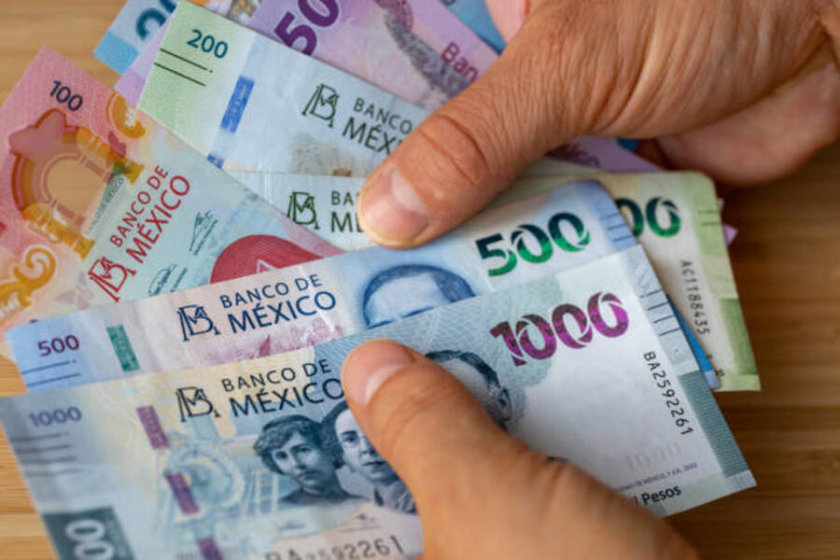
Banknotes range from 20 to 1,000 pesos, and coins come in denominations of 1, 2, 5, and 10 pesos. In tourist areas and large cities, credit cards are widely accepted, making it easy to pay in hotels, restaurants, and shops.
To track the exchange rate in real time, you can check a reliable website such as Xe.com.
Avoid exchanging your money at the airport, as the rates are generally less favorable there. Exception: at Mexico City Airport (Terminal 1), exchange rates are often fair and competitive—convenient for getting a few pesos upon arrival.
2. Payment by card or cash
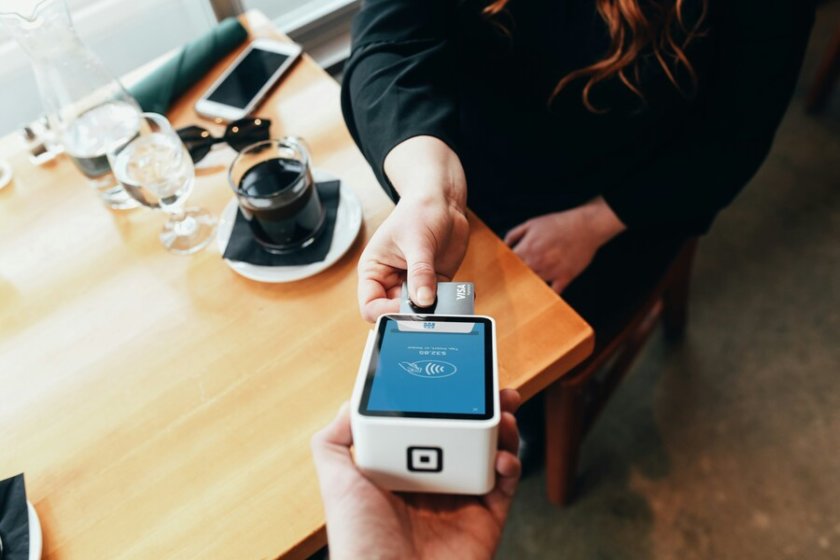
Visa, Mastercard, and sometimes American Express cards are accepted in most tourist and urban establishments. However, in small shops, markets, and street stalls, only cash payments are possible.
The ideal solution is to travel with a bank card and a little cash so you can enjoy your stay to the fullest without any constraints.
3. Withdrawals and bank fees
ATMs are available in all major cities and tourist areas. Withdrawal fees vary depending on your bank: expect to pay between 2% and 5% of the amount, with a fixed fee of 50 to 100 MXN pesos per transaction in some cases.
A good tip is to withdraw larger amounts to limit the number of transactions, while avoiding carrying too much cash for security reasons.
Also check if your card offers DCC (Dynamic Currency Conversion). In many cases, it is more advantageous to pay directly in Mexican pesos rather than in euros or dollars, in order to avoid additional fees.
Always refuse it: the rate applied by your bank will almost always be more favorable. I’ve tested it several times!
4. Tipping in Mexico
Tipping is an integral part of Mexican culture and is an important supplement for many workers in the tourism industry.
- Restaurants: leave between 10% and 15% of the bill.
- Tour guides: around 100 to 200 pesos per person per day, depending on the quality and duration of the service.
- Porters and hotel staff: 20 to 50 pesos per bag or service provided.
- Taxis: not mandatory, but rounding up the amount is always appreciated.
- All-inclusive hotels: allow 50 to 100 pesos per day for room and bar staff.
Always keep some small bills on you: they will come in handy for tips or small everyday purchases, as vendors do not always have change.
10. Internet and communication in Mexico
Staying connected is generally easy in tourist areas, but some remote regions or islands may have limited connectivity.
Unless you already have plan that offers reasonable rates abroad, it’s best to avoid activating mobile data (roaming), as prices can quickly add up!
The best solution is to get an eSIM or a local SIM card in Mexico.
1. Local SIM cards
The main operators in Mexico are:
- Telcel (the one I use): the most widespread, with excellent coverage throughout the country.
- AT&T: good prepaid offers, decent coverage in major cities.
- Movistar: often cheaper, but more limited coverage in rural areas.
Step 1: Buy the SIM card
- Available in official stores (especially Telcel), but also in supermarkets and convenience stores such as OXXO or 7-Eleven.
- Average price of the SIM card alone: ≈ 50 MXN (US$3–4).
Step 2: Activate a plan (paquete)
After purchasing the SIM card, choose a prepaid plan according to your needs (data, calls, texts). Activation can be done in-store or via the operator’s app.
Recommended Telcel plans
Three simple options suitable for travelers:
- Amigo 200 MXN (~€10): ≈ 3.5 GB + unlimited calls/text messages in Mexico — ideal for 1 to 2 weeks in Mexico
- 300 MXN (~€15) plan: ≈ 5.5 GB + unlimited calls/texts — convenient for a month in Mexico
- 500 MXN plan (~€25): ≈ 8 GB — perfect if you use a lot of data (videos, social media).
2. eSIM for tourists
If your phone is eSIM-compatible, you can activate a digital plan before you even land, without a physical card.
Advantages: immediate activation, no need to remove your main SIM card, and you keep your usual number.
Reliable providers:
3. Wi-Fi
In tourist areas and hotels, Wi-Fi is generally reliable for checking your emails, social media, and travel apps. However, the speed may vary depending on the establishment, how busy it is, and the location of your room.
In some remote areas of Mexico, such as Holbox, Bacalar, Isla Mujeres, or certain rural villages, the internet connection can be unstable or even completely unavailable at times. The problem mainly stems from the local network itself, rather than the type of SIM card used: even with a local SIM card (Telcel, AT&T, Movistar), coverage remains limited in these areas.
It is therefore best not to rely on the internet all the time when traveling in these regions.
Consider downloading offline maps (Google Maps, Maps.me) and saving important information in advance, such as hotel addresses or transportation confirmations. Many accommodations have intermittent Wi-Fi, often available in common areas—ideal for sending a message or checking an itinerary.

11. Electricity and adapters in Mexico
Before you leave, it’s best to check whether your devices are compatible with the Mexican electrical network. Here’s everything you need to know to avoid unpleasant surprises and stay connected with peace of mind.
1. Types of electrical outlets
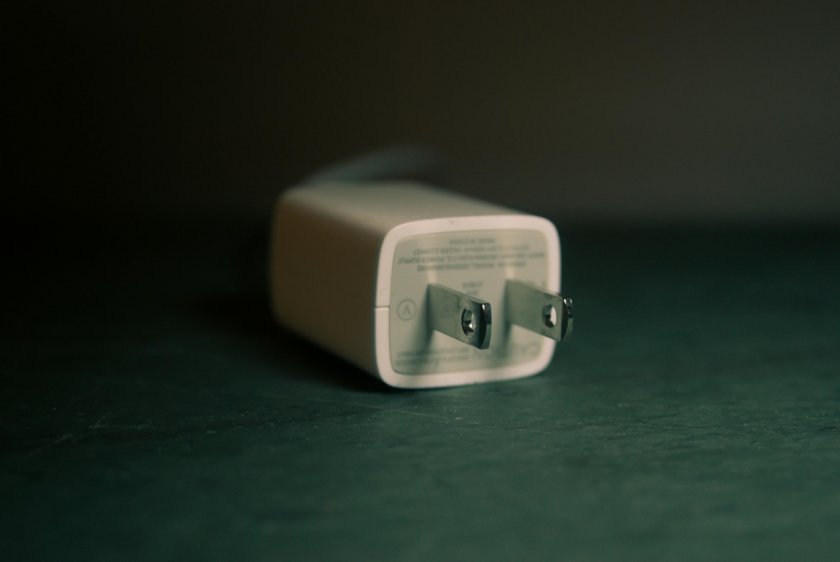
In Mexico, type A and B outlets are used, which are identical to those in the United States:
- Type A: two flat parallel prongs.
- Type B: two flat prongs + one round prong for grounding.
If your devices use European plugs (type C, E, or F), you will need a travel adapter.
2. Voltage and frequency
- Voltage: 127 V
- Frequency: 60 Hz
Most modern chargers (computers, smartphones, cameras, tablets) are compatible with 100–240 V, so you won’t need a converter. However, if your devices do not support this voltage range, you will need a voltage converter.
3. Practical tips
- Bring a universal adapter with built-in USB ports, which is handy for charging multiple devices at once (phone, computer, razor, hair dryer, etc.).
- In some hotels, outlets may be limited or poorly located, so a compact power strip will come in handy.
- Always check the voltage/charger compatibility before plugging in your devices, especially for hair styling appliances or electric razors.
12. Getting around Mexico
Mexico is a huge country and there are many different means of transportation. Depending on your itinerary, budget, and the time you have available, you can combine domestic flights, long-distance buses, car rentals, or private hire vehicles.
Here’s what you need to know to organize your travel easily and safely:
1. Domestic flights
Domestic flights are often the fastest way to travel long distances, such as between Mexico City, Cancún, Oaxaca, or Guadalajara. Volaris, Viva Aerobus, and Aeroméxico offer frequent flights at competitive prices.
To find a cheap flight to Mexico, as well as the best domestic flights in Mexico, I recommend using our flight comparison tool in partnership with Skyscanner. It guarantees you’ll pay the best price!
2. Long-distance buses
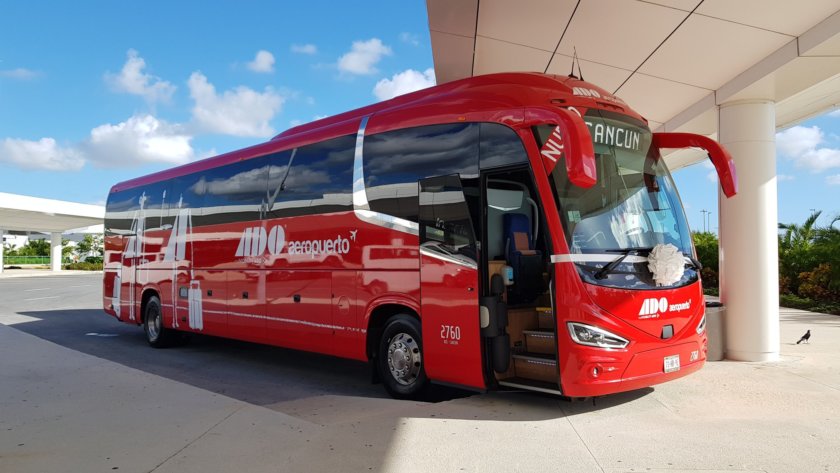
Long-distance buses are an excellent, economical, and comfortable alternative. Mexico’s bus network is one of the most developed in Latin America!
The main company, ADO (Autobuses de Oriente), serves most major cities and tourist areas. The buses are modern, air-conditioned, with reclining seats and sometimes Wi-Fi on board. For example, a trip from Cancún to Playa del Carmen costs around 100 MXN (~$5).
Other companies such as ETN, Primera Plus, Futura, and Omnibus de México also provide excellent regional services.
3. Car rental
Renting a car is one of the best ways to travel with complete freedom in Mexico, especially if you’re planning a road trip through the Yucatán Peninsula, central Mexico, or Baja California. It allows you to explore at your own pace and reach places that are harder to access by public transport.
A European, Canadian, or American driver’s license is valid for tourist stays. However, it is highly recommended to choose full coverage insurance to avoid unpleasant surprises in case of an accident, damage, or theft.
To rent a car, personally, I always use Booking.com Cars, for a few reasons:
- You can easily compare the rental cars prices between all the agencies: for sure the easiest way to find the best rate!
- Cancellation is often offered free of charge: no need to worry if you change your mind
- Booking Cars offers full insurance coverage at a lower price than the rental companies, so it’s an instant saving with no effort
Simply click on the green button to find your rental car at the best price:

4. Taxis and ride-hailing services
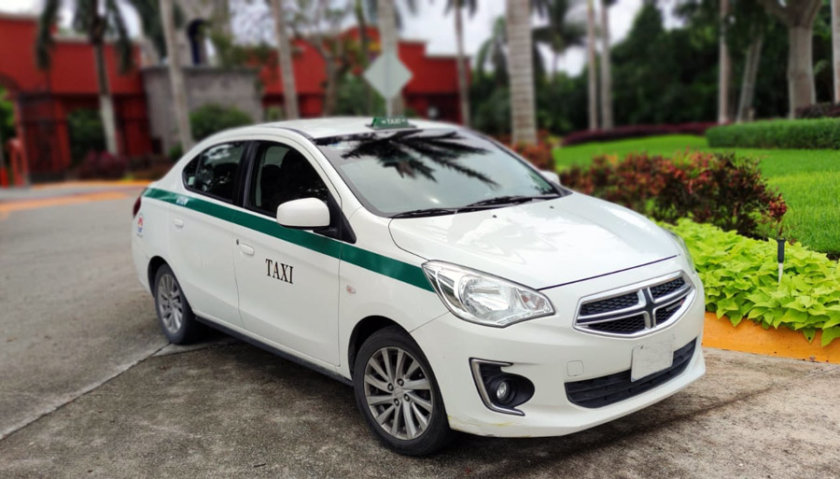
For short trips, official taxis are convenient and safe, especially in large cities and at airports. Always ask for the price before getting in to avoid misunderstandings.
Ride-hailing apps such as Uber, Didi, and Cabify are only available in certain large cities such as Mexico City, Cancún, Monterrey, and Guadalajara. In Playa del Carmen or Tulum, apps are unavailable, so you will have to opt for local taxis.
5. Transportation safety
Here are my recommendations for traveling safely in Mexico, whether you’re taking a taxi, a bus, or driving yourself—simple precautions that will allow you to enjoy your stay with peace of mind!
If you take a taxi, always note the license plate number or driver’s license number before departure. Keep your personal belongings out of sight and avoid placing your bags on the passenger seat. These simple steps greatly reduce the risk of theft.
If you are driving, avoid traveling at night, especially in rural areas: roads may be poorly lit, in poor condition, and have incomplete signage. Driving during the day is much safer and more enjoyable.
13. Pre-departure checklist for Mexico
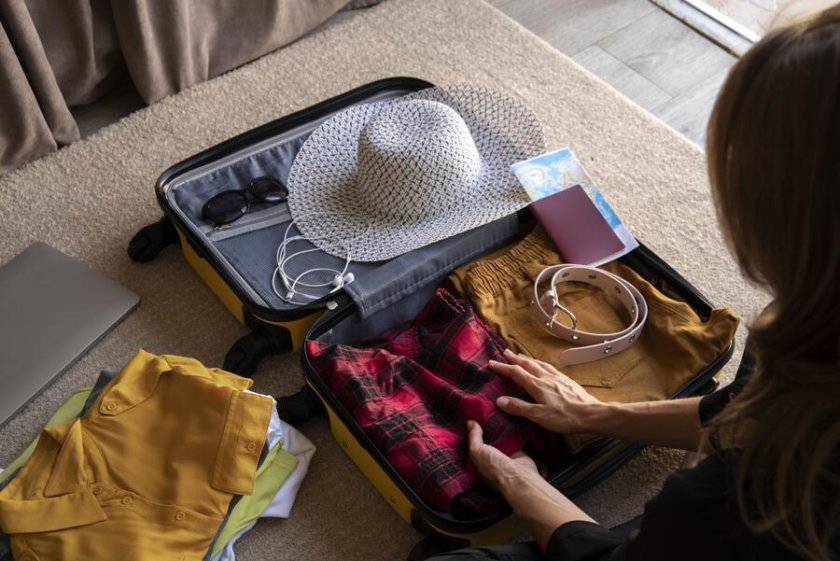
Here is a complete list of essential documents and items to prepare before your trip to Mexico, to avoid any unexpected surprises and leave with peace of mind:
1. Official documents
- Passport valid for at least 6 months after your return date
- FMM (tourist card) in paper or digital format
- Return ticket or proof of departure from the country
- Copies of all your important documents (passport, license, insurance, tickets, etc.)
- Specific visa if you are traveling to study, work, or volunteer
2. Reservations and proof of accommodation
- Hotel confirmation or letter of invitation if you are staying with a private individual
- Proof of sufficient funds: rarely requested, but useful to have (cash, credit card, or bank statement)
3. Money and payments
- Cash in Mexican pesos (small bills for taxis and markets)
- Bank cards with travel notification to your bank
- VISITAX QR code for the state of Quintana Roo (Cancún, Playa del Carmen, Tulum)
4. Health and safety
- Travel insurance covering medical care and repatriation (important!)
- Up-to-date vaccinations and vaccination record
- Personal prescriptionmedication
- Reusable water bottle, hygiene products, and mosquito repellent
- Consular registration (Ariane, Travellers Online, or Canadian Registration)
5. Technology and communication
- Unlocked phone and charger
- Local SIM card or eSIM (Airalo, Nomad, Holafly) to avoid roaming charges
- Universal electrical adapter (type A/B, 127V) and possibly a converter
- Useful apps: Google Maps offline, translator, currency converter
6. Other essentials
- Clothing suitable for the season and activities (tropical, mountain, beach, etc.)
- Comfortable shoes for sightseeing and hiking
- Lightweight backpack for excursions
- Swimsuit, sunglasses, sunscreen (high SPF recommended)
- Camera or GoPro with memory cards and spare batteries
14. Frequently asked questions to help you prepare for your trip to Mexico
How long can you stay in Mexico without a visa?
European, American and Canadian travelers can stay up to 180 days without a visa for a tourist visit. The exact length of stay is decided by the immigration officer upon entry: be sure to check the stamp in your passport.
Do I need to apply for a visa before I leave?
No, for tourist stays of less than 180 days. To work, study, or volunteer, a specific visa is required.
What is the FMM (tourist card) and do I need to keep it?
The FMM is a mandatory tourist card (paper or digital) issued upon entry. Keep it until you leave the country.
What is the VISITAX (Quintana Roo) and how do I pay it?
Tourist tax applicable in Cancún, Playa del Carmen, Tulum, and Cozumel. Online payment (QR code). Rarely checked in practice but legally mandatory.
You will have to pay a fine at the airport upon departure, and this may complicate future entries into Mexico.
Is tap water safe to drink?
No. Drink sealed or filtered bottled water.
Do I need travel insurance?
Yes, it is strongly recommended for medical expenses, hospitalization, and repatriation, which are particularly expensive in Mexico.
Is a foreign driver’s license sufficient to rent a car?
Yes, for a tourist stay. An international driver’s license is not usually required. Don’t forget to take out comprehensive insurance.
Renting a Car in Mexico
To travel around Mexico with complete freedom and flexibility, I highly recommend renting a car. It’s the best way to explore at your own pace and reach places that are harder to access by public transportation.
That said, it’s essential to compare your options carefully to find the best car at the best price and make sure you stay within your budget.
My top recommendation is to use Booking.com Cars for three very clear reasons:
- You can easily compare prices from different rental agencies in one place — the fastest and simplest way to find the best deal.
- Free cancellation is often available, giving you flexibility if your plans change.
- They offer full insurance coverage at a better rate than many local companies, which can mean significant savings.
Click the green button below to find your rental car in Mexico.
How to Find the Best Flight Deals
To find a cheap flight to Mexico or a domestic flight within the country, you can use our flight comparison tool in partnership with Skyscanner — the easiest way to secure the best price.
🚗 Rent a car
🗽 Book entrance tickets and guided visits
🏄 Book your sports activities
🌍 Take a travel insurance
🙎 Book a tour
✈️ Book your flight
You’re traveling in Mexico? These articles will help you!
Discover all my articles about Mexico: All my articles to help you plan your trip to Mexico are listed there.
- Itinerary: 8-10 days in Mexico – From Mexico City to Oaxaca
- Itinerary: 10 days in Mexico – Mexico City, Chiapas and Yucatan
- Itinerary: 2 weeks in Mexico – Best itinerary to discover the Yucatan Peninsula and Chiapas!
- Itinerary: 3 weeks in Mexico – Mexico City, Puebla, Oaxaca, Chiapas, Campeche, Yucatán and Riviera Maya
- Itinerary: 1 month in Mexico – My Epic 30-31 Days Itinerary from Mexico City to Cancun
- Road trip in Mexico: The best itineraries for 10, 15, 21 days and a month
- Itinerary: 1 week in Yucatan – The Ultimate 6, 7 or 8 days Itinerary
- Itinerary: 10 days in Yucatan – Best Itinerary for 9, 10 or 11 Days in Yucatan
- Itinerary: 2 weeks in Yucatan – Epic Itinerary + All my Best Tips!
- Itinerary: 1 month in Yucatan – Yucatan Peninsula in 29, 30 or 31 days from Cancun
- Road trip in Yucatan: The best itineraries for 7, 10, 15, 21 days and 1 month
You’re using Pinterest? Here is the picture to pin!